Small Garden Cart: Durable Utility Carts for Effortless Yard Work and Landscaping

Contact me immediately if you encounter problems!

All Categories

small garden cart

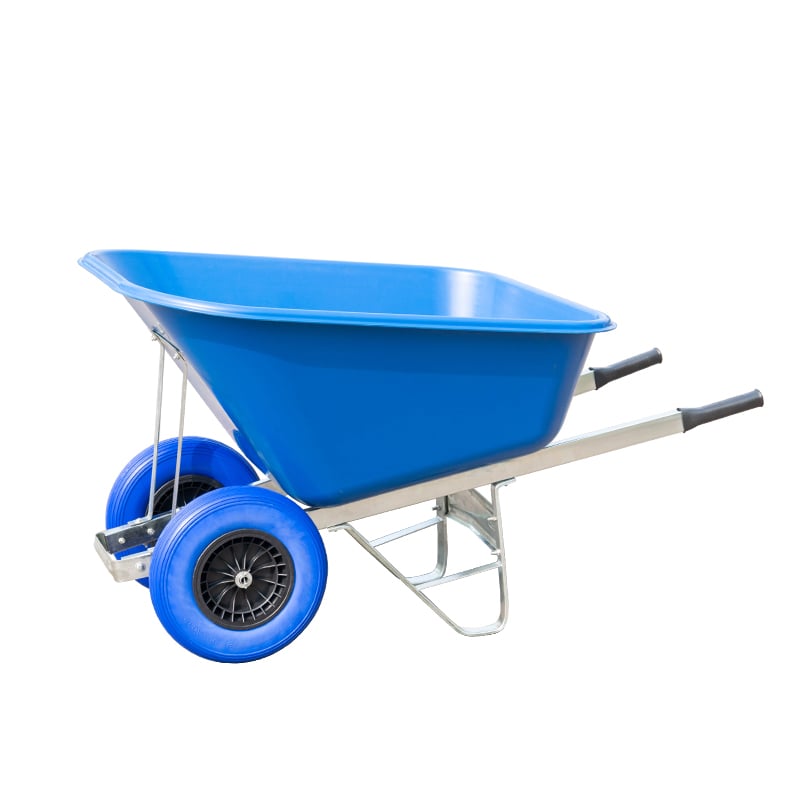
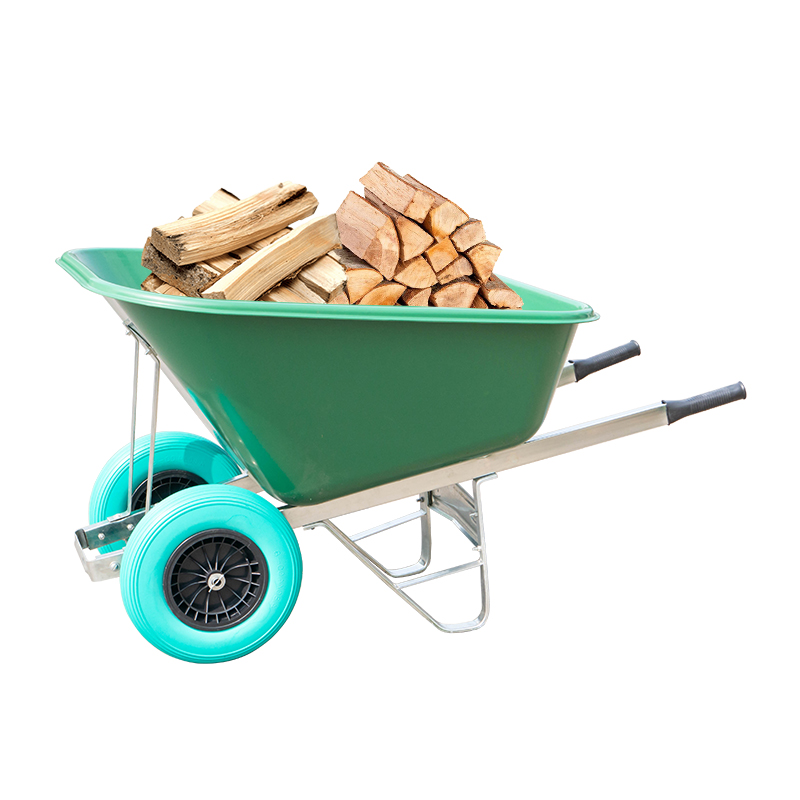
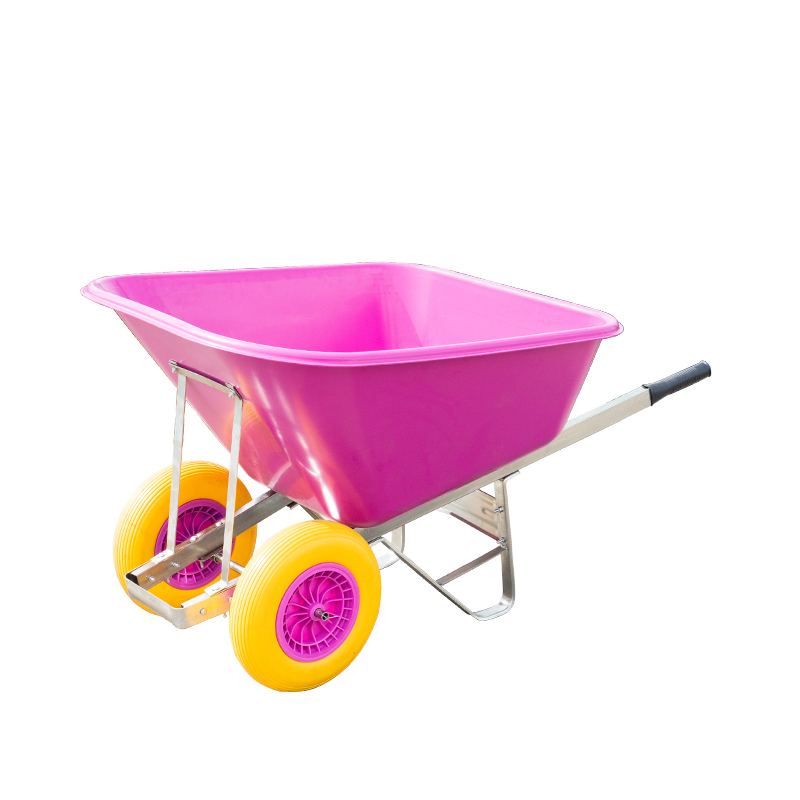
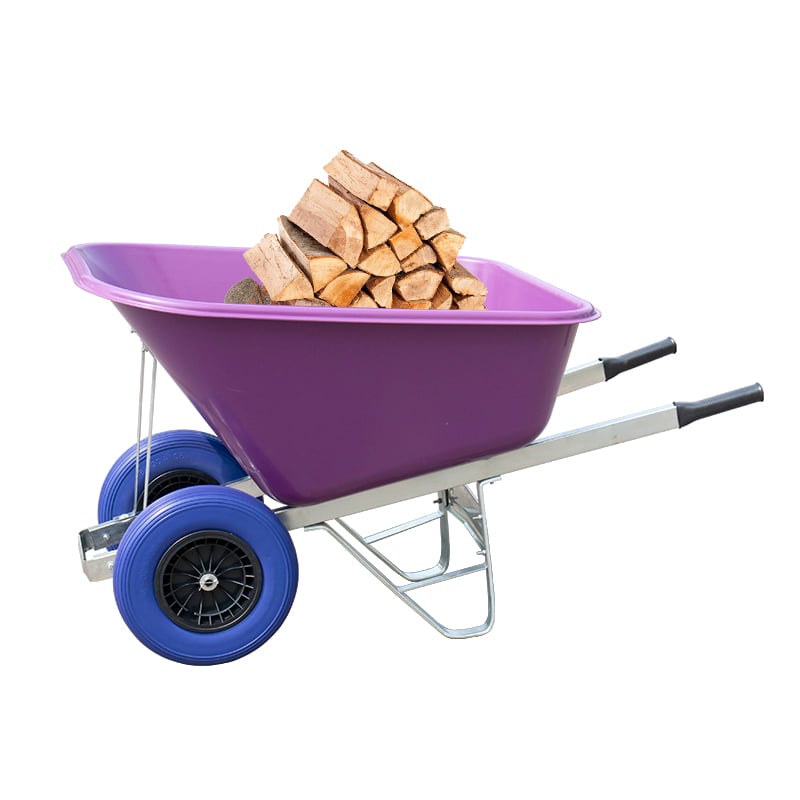
A small garden cart represents an essential piece of equipment for homeowners, gardening enthusiasts, and professional landscapers who need efficient transportation solutions for outdoor tasks. This versatile wheeled tool serves as a mobile workstation and hauling system designed specifically for garden environments where maneuverability and compact storage matter most. The small garden cart combines robust construction with practical dimensions, allowing users to navigate narrow pathways, tight corners, and confined spaces that larger vehicles cannot access. Its primary functions include transporting soil, mulch, plants, tools, harvested produce, and yard waste from one location to another with minimal physical strain. The technological features incorporated into modern small garden carts reflect decades of refinement in materials science and ergonomic design. Manufacturers typically construct these carts using weather-resistant materials such as powder-coated steel frames, rust-proof aluminum components, or durable high-density polyethylene for the cargo bed. The wheel systems feature pneumatic tires or solid rubber wheels mounted on sealed bearings that ensure smooth rolling across uneven terrain including grass, gravel, and dirt paths. Many models incorporate a dumping mechanism that allows the cargo bed to tilt, making unloading materials as simple as pulling a release lever. The handle design focuses on user comfort with padded grips positioned at ergonomically optimal heights to reduce back strain during pulling or pushing. Applications for the small garden cart extend across residential gardening, commercial landscaping, nursery operations, farm work, and general outdoor maintenance. Homeowners use these carts for spring planting projects, fall cleanup activities, composting operations, and routine lawn care tasks. Professional landscapers rely on small garden carts to transport materials between their truck and job sites efficiently. The compact footprint makes storage convenient in sheds, garages, or even balconies when not in use, addressing space constraints that urban and suburban gardeners frequently face.

New Product Releases

The small garden cart delivers remarkable benefits that transform how you approach outdoor work while protecting your physical wellbeing and saving valuable time. First and foremost, this tool dramatically reduces the physical demands of gardening and yard maintenance by eliminating the need to carry heavy loads by hand or make countless trips back and forth across your property. Instead of straining your back, shoulders, and arms while lugging bags of soil or armfuls of branches, you simply load everything into the cart and move it all in one efficient trip. This advantage becomes particularly significant for older adults or individuals with physical limitations who want to maintain their gardens independently without risking injury. The maneuverability of a small garden cart surpasses larger alternatives because its compact size and responsive steering allow you to navigate tight spaces between raised beds, around established trees, through garden gates, and along narrow side yards. You gain access to areas that riding mowers or full-size utility carts cannot reach, ensuring every corner of your property receives proper attention. The versatility of these carts extends beyond simple hauling tasks to serve as mobile potting benches, tool organizers, and harvest collection stations. You can work more efficiently by keeping everything you need within arm's reach as you move through different garden zones. The durability of quality small garden carts means you make a one-time investment that serves you reliably for many years rather than repeatedly replacing inferior equipment. Weather-resistant construction withstands sun exposure, rain, snow, and temperature fluctuations without deteriorating, while robust wheel assemblies continue rolling smoothly despite regular use over rough terrain. The capacity of these carts strikes an ideal balance between useful payload and manageable size, typically handling between 200 and 600 pounds depending on the model, which accommodates most common gardening tasks without becoming unwieldy. The ease of use requires no special training or physical prowess, making small garden carts accessible to everyone in your household regardless of their gardening experience. The maintenance requirements remain minimal, usually involving only occasional cleaning and periodic tire inflation, allowing you to focus your time on gardening rather than equipment upkeep. The cost-effectiveness of owning a small garden cart becomes evident quickly as you complete projects faster, avoid hiring help for tasks you can now handle independently, and prevent injuries that might result in medical expenses. The environmental benefits also deserve recognition since using a manually operated cart produces zero emissions compared to motorized alternatives while promoting physical activity and outdoor engagement that contribute to overall health and wellness.

Practical Tips

Are Imported Multi-Function Units Reliable for Daily Use by Professional Landscapers?

17

Apr

Are Imported Multi-Function Units Reliable for Daily Use by Professional Landscapers?

Professional landscapers face a persistent challenge in their daily operations: balancing mobility, tool storage, and physical comfort during extended outdoor work sessions. The question of whether imported multi-function units can reliably serve the...
View More
What's the ROI of Aluminum Carts vs. Steel for Food Processing Plants?

28

Apr

What's the ROI of Aluminum Carts vs. Steel for Food Processing Plants?

Food processing plants operate under demanding conditions where equipment selection directly impacts operational efficiency, maintenance costs, and long-term profitability. When evaluating material handling solutions, plant managers face a critical d...
View More
How to Source Trolleys That Withstand Continuous Material Handling?

29

Apr

How to Source Trolleys That Withstand Continuous Material Handling?

Sourcing reliable material handling equipment requires a strategic approach that balances durability, operational demands, and long-term cost efficiency. Organizations engaged in continuous material handling operations depend on trolleys that can end...
View More
Why do retailers partner with wire garage shelving suppliers?

30

Apr

Why do retailers partner with wire garage shelving suppliers?

Retailers operating in the home improvement, hardware, and organizational products sectors face continuous pressure to balance inventory costs, meet diverse customer demands, and maintain competitive pricing. Establishing a strategic partnership with...
View More

Get a Free Quote

Our representative will contact you soon.
Email Adress
Your Name
Phone
Company Name
Message
0/1000

small garden cart

Superior Load Distribution and Ergonomic Design for Injury Prevention

Superior Load Distribution and Ergonomic Design for Injury Prevention

The engineering behind a small garden cart prioritizes human biomechanics to create a tool that works with your body rather than against it, fundamentally changing how physical stress distributes during outdoor work. Traditional carrying methods force your spine, joints, and muscles to bear concentrated weight in ways that cause fatigue, discomfort, and potential long-term damage. When you lift a bag of mulch or carry a bucket of rocks, your body becomes the load-bearing structure, placing tremendous pressure on your lower back and requiring your arms to maintain static holds that quickly exhaust muscle groups. The small garden cart eliminates these harmful stress patterns by transferring weight to the wheels and frame where mechanical advantage takes over. The axle position and wheel diameter work together to create leverage that multiplies your pulling or pushing force, meaning a modest effort from you moves substantially heavier loads than you could ever carry. The handle height adjustment available on many models ensures that you maintain a natural posture with relaxed shoulders and a straight back rather than hunching or reaching awkwardly. This ergonomic consideration matters especially during extended work sessions when poor posture compounds into significant discomfort. The balanced weight distribution across two or four wheels prevents the tipping and shifting that occurs with wheelbarrows, giving you better control and reducing the corrective movements that strain stabilizing muscles. The low center of gravity in well-designed small garden carts means loaded carts remain stable even on slopes where wheelbarrows would require constant balancing effort. The smooth rolling action requires only forward momentum rather than lifting, allowing you to use your larger leg muscles and body weight efficiently instead of relying solely on arm and back strength. This mechanical advantage becomes particularly valuable when moving dense materials like soil amendments, stone, or wet vegetation that would be nearly impossible to carry manually. The cumulative effect of these ergonomic advantages extends your productive working time while reducing next-day soreness and the risk of acute injuries from lifting, twisting, or losing control of unwieldy loads.
Unmatched Versatility Across Seasonal Tasks and Garden Zones

Unmatched Versatility Across Seasonal Tasks and Garden Zones

The small garden cart functions as a year-round companion that adapts to the changing demands of each season and the diverse requirements of different garden areas. During spring preparation, your cart becomes an essential partner for distributing compost, transporting seedlings from propagation areas to planting sites, and moving bags of fertilizer and soil amendments throughout your beds. The contained space keeps small items like seed packets, hand tools, and plant labels organized and accessible as you work through planting schedules. As summer arrives, the cart transforms into a harvesting station where you can gently place ripe tomatoes, cucumbers, and other produce without bruising, then transport your bounty to washing and processing areas in a single trip. The solid bed design prevents small items from falling through gaps while the raised sides keep loose materials contained even when traveling over bumpy ground. Watering tasks become more efficient when you load your cart with watering cans, hoses, and supplies, creating a mobile irrigation station that follows you from thirsty containers to distant garden beds. Autumn cleanup represents perhaps the most demanding season for any garden tool, and the small garden cart excels at collecting fallen leaves, transporting pumpkins and squash harvests, moving mulch to protect perennial beds, and hauling away spent annual plants. The dumping feature on many carts makes quick work of emptying loads onto compost piles or into yard waste bins without requiring you to manually unload everything. Winter applications include transporting firewood, moving snow removal tools, carrying de-icing materials, and bringing evergreen boughs for holiday decorating or protective covering of sensitive plants. Beyond seasonal variations, your small garden cart navigates different garden zones with equal competence, whether you are working in formal front yard beds, productive vegetable gardens, wooded naturalized areas, or rooftop container gardens. The compact footprint allows passage through standard gates and doorways while the durable construction handles both delicate potted plants and rough construction materials needed for hardscape projects. This adaptability means you invest in one tool that serves countless functions rather than purchasing specialized equipment for each specific task.
Long-Term Durability and Weather Resistance for Lasting Value

Long-Term Durability and Weather Resistance for Lasting Value

Investing in a quality small garden cart means acquiring equipment engineered to withstand years of outdoor exposure and regular use without performance degradation or structural failure. The materials selected by reputable manufacturers specifically target the harsh conditions that garden equipment faces, including ultraviolet radiation from sunlight, moisture from rain and irrigation, temperature extremes from freezing winters to hot summers, and the abrasive contact with soil, rocks, and rough materials. Powder-coated steel frames resist rust formation even when minor scratches expose the underlying metal because the coating process creates a chemical bond rather than just a surface layer that easily chips away. This corrosion resistance ensures that structural integrity remains intact year after year, maintaining the load capacity and stability you depend on during demanding tasks. High-density polyethylene beds resist cracking, fading, and warping despite constant sun exposure and temperature cycling that would destroy lesser plastics. This material choice also provides impact resistance when you load heavy rocks or accidentally bump the cart against trees, fences, or building corners during maneuvering. The wheel assemblies represent critical components where quality separates temporary convenience from long-term reliability. Pneumatic tires with deep treads maintain traction across wet grass, loose gravel, and muddy paths while providing cushioning that protects both your cargo and your hands from jarring impacts. Sealed bearing systems keep dirt and moisture away from moving parts, ensuring wheels continue spinning freely rather than developing the grinding resistance and wobbling that plague cheap carts after minimal use. The fasteners and connection points utilize stainless steel or zinc-plated hardware that resists corrosion and maintains tight fits despite vibration and stress cycling. The finish quality extends beyond aesthetics to provide functional protection, with attention to edge treatments that prevent sharp corners and proper sealing of hollow frame sections that could otherwise trap moisture and promote internal corrosion. This durability translates directly into economic value because your small garden cart continues providing reliable service long after inferior alternatives have failed and required replacement. The reduced maintenance burden means you spend your time gardening rather than repairing equipment, touching up rust spots, or struggling with deteriorated components. The retained functionality ensures that your cart remains as useful in year ten as it was on the first day, maintaining its capacity, maneuverability, and ease of use throughout its extended service life.
email goToTop