High Capacity Shelving Units - Industrial Storage Solutions for Maximum Warehouse Efficiency

Contact me immediately if you encounter problems!

All Categories

high capacity shelving units

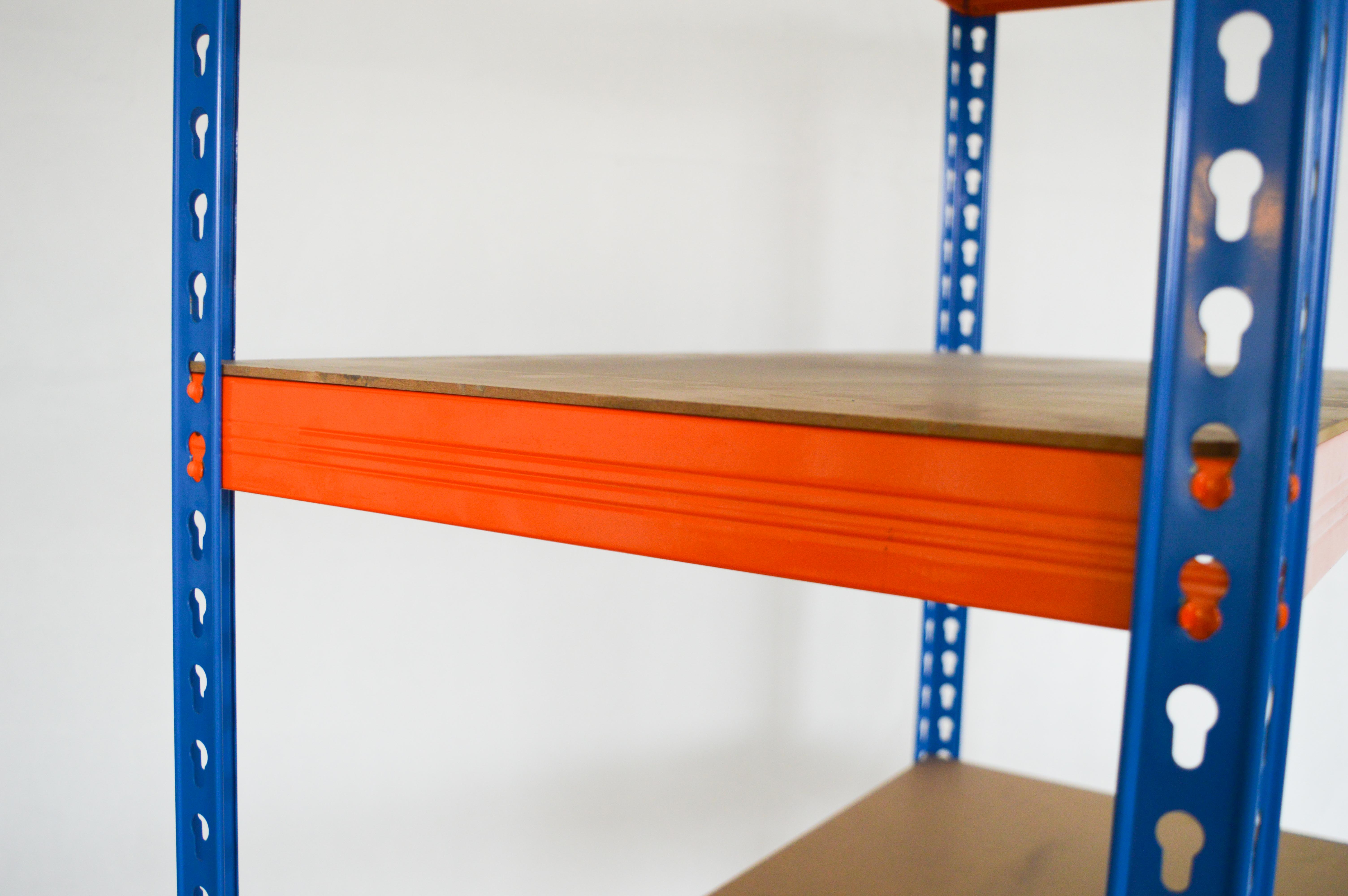
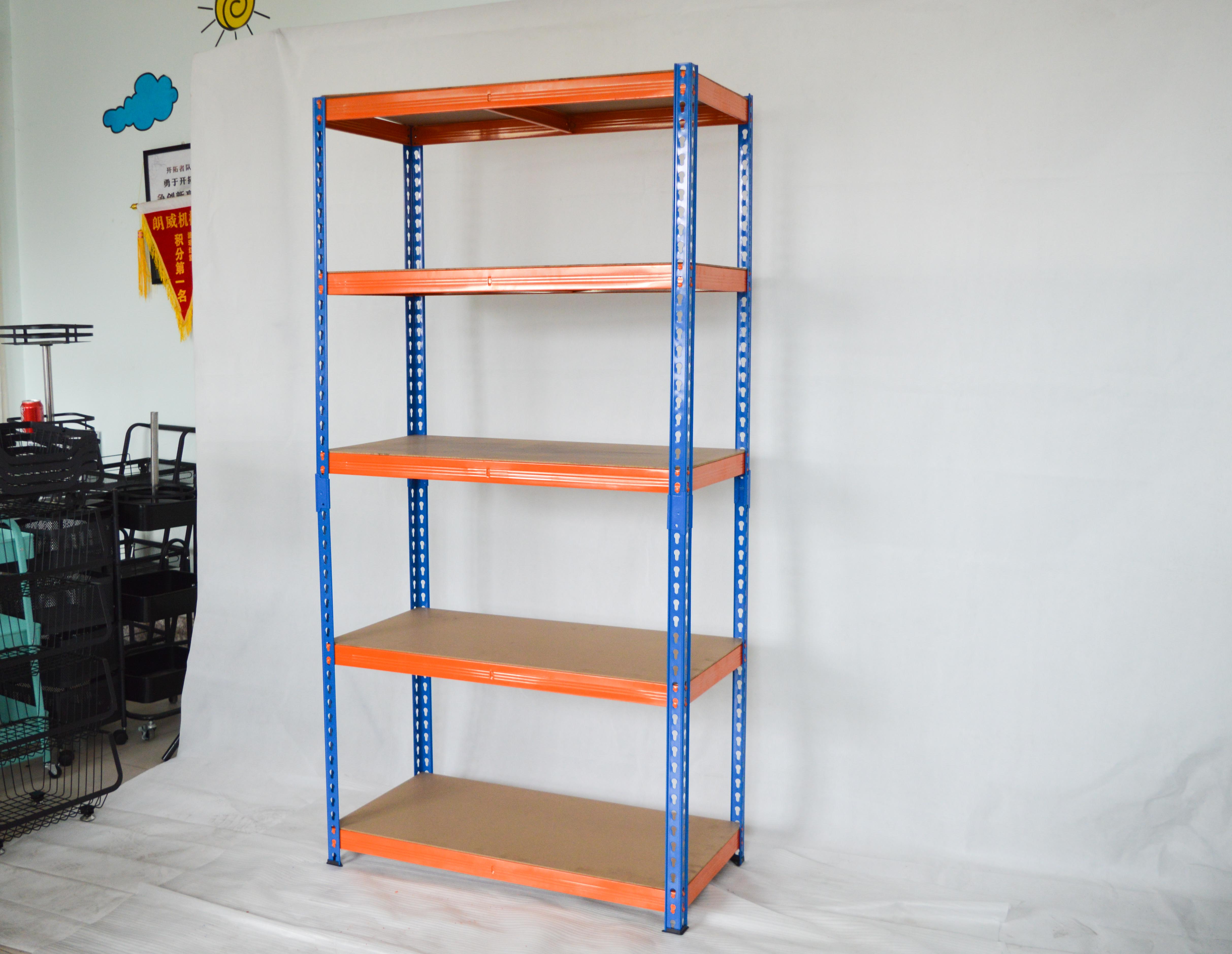
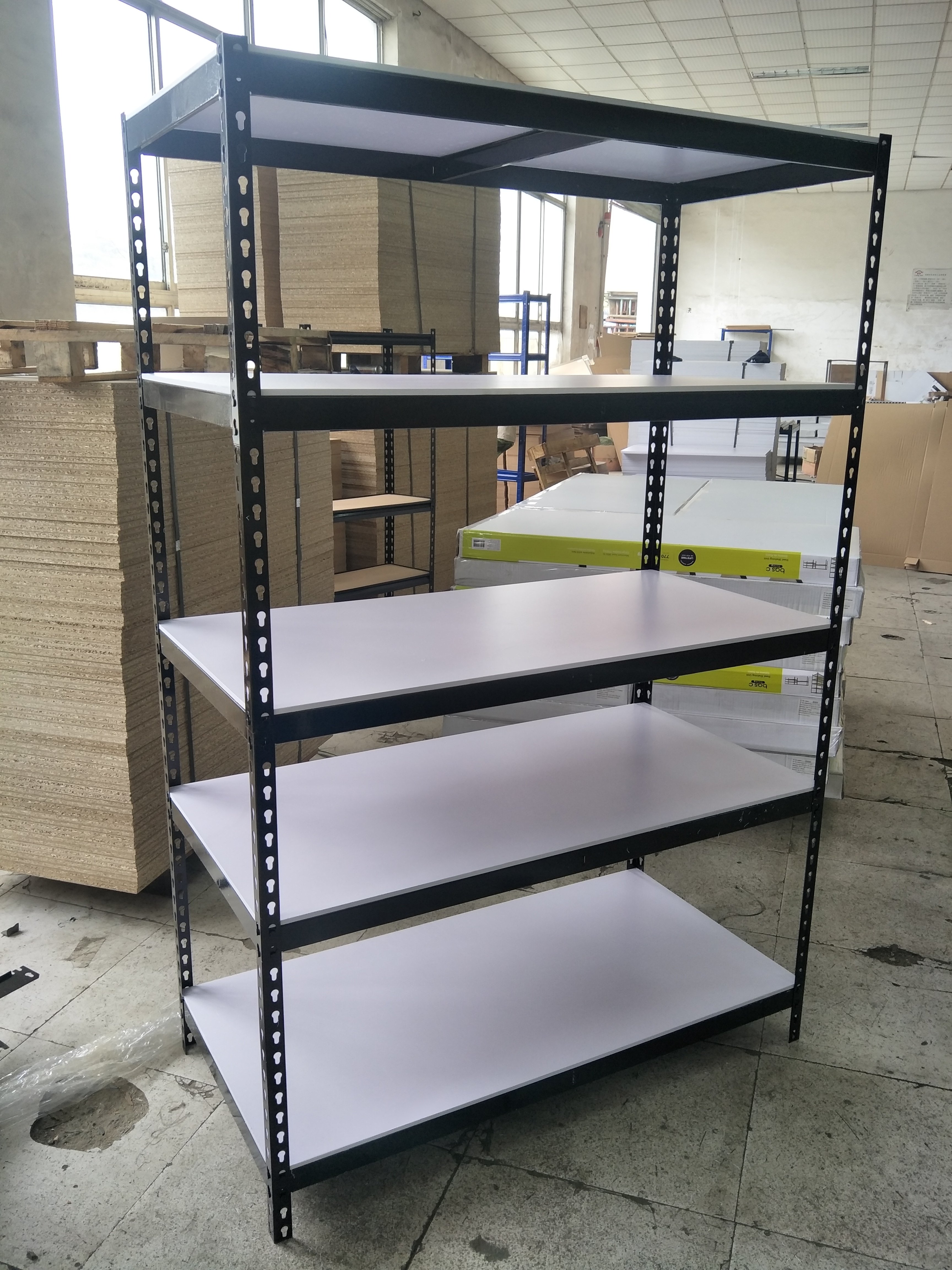
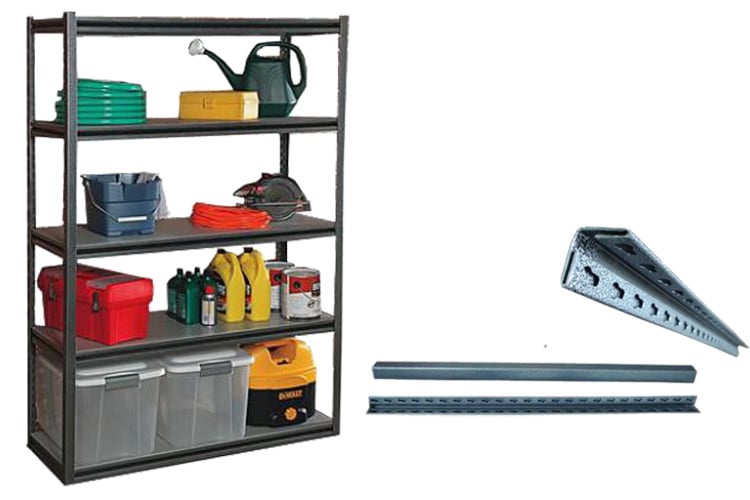
High capacity shelving units represent a fundamental solution for organizations seeking to maximize their storage capabilities while maintaining efficient space utilization. These robust storage systems are engineered to accommodate substantial weight loads and large quantities of inventory, making them indispensable for warehouses, distribution centers, manufacturing facilities, retail stockrooms, and commercial operations of all sizes. The primary function of high capacity shelving units revolves around providing structured, accessible storage that can handle heavy-duty applications without compromising safety or accessibility. These systems incorporate reinforced steel construction, adjustable shelf configurations, and modular designs that adapt to evolving storage requirements. The technological features embedded within modern high capacity shelving units include precision-engineered load-bearing components, corrosion-resistant finishes, and compatibility with various material handling equipment. Many units feature beam-style construction that distributes weight evenly across multiple support points, while others utilize boltless assembly mechanisms that simplify installation and reconfiguration. The versatility of high capacity shelving units extends across multiple industries and applications. In warehouse environments, these systems create organized aisles for palletized goods and bulk storage. Manufacturing plants utilize them for raw material storage and work-in-progress inventory management. Retail operations depend on high capacity shelving units for backroom organization and merchandise overflow. Healthcare facilities employ these systems for medical supply storage, while automotive shops use them for parts inventory. Libraries, archives, and educational institutions benefit from their ability to store heavy book collections and archival materials. The adaptability of high capacity shelving units makes them suitable for cold storage environments, cleanroom facilities, and outdoor applications when equipped with appropriate protective coatings. Their scalability allows businesses to start with basic configurations and expand as storage needs grow, providing a cost-effective long-term investment that evolves alongside organizational requirements.

Popular Products

Investing in high capacity shelving units delivers immediate and long-term benefits that transform how organizations manage their storage operations. The most significant advantage lies in space optimization, as these systems utilize vertical storage capacity that would otherwise remain wasted. By building upward rather than outward, businesses can store more items within their existing footprint, eliminating the need for costly facility expansions or additional rental space. This vertical efficiency translates directly into reduced overhead costs and improved operational profitability. The structural integrity of high capacity shelving units ensures safe storage of heavy items that would damage or compromise standard shelving systems. With weight capacities often exceeding several thousand pounds per shelf level, these units accommodate dense materials, bulky equipment, and consolidated inventory without risk of collapse or deformation. This reliability minimizes workplace accidents, protects valuable inventory, and creates a safer environment for employees who interact with stored materials daily. Accessibility improvements represent another crucial advantage, as high capacity shelving units create organized storage zones that streamline retrieval processes. Workers spend less time searching for items when inventory occupies designated, clearly visible shelf positions. This improved organization accelerates order fulfillment, reduces picking errors, and enhances overall productivity. The open-frame design of many high capacity shelving units provides visual access to stored items from multiple angles, further expediting identification and retrieval. Durability ensures these systems withstand demanding industrial environments for decades with minimal maintenance. Quality high capacity shelving units resist corrosion, impact damage, and structural fatigue even under continuous heavy use. This longevity delivers exceptional return on investment compared to lower-quality alternatives that require frequent replacement. The modular nature of high capacity shelving units provides remarkable flexibility for growing businesses. Organizations can easily add new sections, insert additional shelf levels, or reconfigure existing layouts without purchasing entirely new systems. This adaptability proves invaluable when product lines change, inventory volumes fluctuate, or operational processes evolve. Businesses avoid the waste and expense associated with obsolete storage equipment while maintaining optimal organization regardless of changing circumstances. Enhanced inventory management capabilities emerge naturally from the structured environment that high capacity shelving units create. Clear labeling systems, designated storage zones, and consistent placement patterns enable more accurate inventory tracking and cycle counting. This improved visibility reduces stock discrepancies, prevents overordering, and helps maintain optimal inventory levels that balance availability with carrying costs.

Tips And Tricks

How to Verify the Alloy Quality of Imported Aluminum Cart Frames?

28

Apr

How to Verify the Alloy Quality of Imported Aluminum Cart Frames?

When purchasing an imported aluminum platform cart for industrial, warehouse, or commercial applications, verifying the alloy quality of the cart frame is a critical step that directly impacts durability, load-bearing capacity, and long-term return o...
View More
Are Heavy Duty Hand Trucks Essential for Construction Material Suppliers?

29

Apr

Are Heavy Duty Hand Trucks Essential for Construction Material Suppliers?

Construction material suppliers face daily operational challenges that demand robust, reliable equipment capable of handling substantial loads across demanding environments. The question of whether investing in specialized material handling equipment...
View More
What Durability Tests Are Vital for Folding Handle Mechanisms?

30

Apr

What Durability Tests Are Vital for Folding Handle Mechanisms?

Folding handle mechanisms represent a critical structural component in material handling equipment, where repeated cycles of extension and retraction demand rigorous engineering validation. For industrial purchasers evaluating a folding handle platfo...
View More
When does supplier capacity matter for wire garage shelving orders?

30

Apr

When does supplier capacity matter for wire garage shelving orders?

Selecting a wire garage shelving supplier involves more than comparing price lists and lead times. Supplier capacity—the ability to fulfill orders at scale, maintain consistent quality, and adapt to demand fluctuations—directly impacts your project t...
View More

Get a Free Quote

Our representative will contact you soon.
Email Adress
Your Name
Phone
Company Name
Message
0/1000

high capacity shelving units

Exceptional Load-Bearing Capacity That Supports Your Heaviest Storage Needs

Exceptional Load-Bearing Capacity That Supports Your Heaviest Storage Needs

The engineering excellence behind high capacity shelving units manifests most prominently in their extraordinary load-bearing capabilities, which fundamentally distinguish them from conventional storage solutions. These specialized systems incorporate heavy-gauge steel components, reinforced beam structures, and strategically positioned support columns that work in concert to distribute tremendous weight loads safely across the entire framework. Individual shelf levels routinely accommodate between 1,000 and 5,000 pounds, with some industrial-grade configurations supporting even greater capacities when properly configured and anchored. This remarkable strength allows organizations to consolidate dense materials, stack multiple layers of products, and maximize cubic storage density without compromising structural integrity or workplace safety. The importance of this load-bearing capacity extends beyond simple weight accommodation. It enables businesses to store items in their most efficient configurations rather than spreading inventory across multiple lighter-duty shelving systems. Automotive parts distributors can stack engine blocks and transmission assemblies vertically. Food service operations can position commercial-sized ingredient containers on single shelf levels. Manufacturing facilities can maintain raw material stockpiles close to production lines without floor stacking that creates hazards and inefficiencies. The value proposition becomes particularly evident when calculating total cost of ownership. A single high capacity shelving unit that safely stores 20,000 pounds across multiple levels eliminates the need for four or five standard shelving units that would collectively occupy significantly more floor space while providing less actual storage capacity. This consolidation reduces initial equipment investment, minimizes ongoing maintenance requirements, and frees valuable square footage for revenue-generating activities rather than storage infrastructure. The peace of mind that accompanies properly rated high capacity shelving units cannot be overstated. Warehouse managers and facility operators eliminate concerns about shelf collapse, product damage, and potential liability issues that arise when storage systems operate beyond their designed capabilities. Employees work with confidence knowing the shelving infrastructure supporting overhead inventory meets rigorous safety standards and provides appropriate load ratings for stored materials. This psychological benefit translates into improved morale, reduced workplace stress, and enhanced operational efficiency as workers focus on productive tasks rather than safety concerns.
Modular Design Flexibility That Adapts to Your Changing Business Requirements

Modular Design Flexibility That Adapts to Your Changing Business Requirements

The modular architecture inherent to quality high capacity shelving units represents a strategic advantage that delivers compounding value throughout the operational lifespan of these storage systems. Unlike fixed storage solutions that lock organizations into rigid configurations, modular high capacity shelving units feature interchangeable components, adjustable shelf heights, and expandable frameworks that accommodate evolving storage requirements without requiring complete system replacement. This adaptability proves essential for growing businesses, seasonal operations, and organizations navigating market changes that impact inventory profiles and storage demands. The practical implementation of modular flexibility begins with adjustable shelf positioning, which allows users to customize vertical spacing based on the specific dimensions of stored items. Facilities storing diverse product ranges can configure different sections with varied shelf heights, optimizing space utilization across the entire storage footprint. When product lines change or new inventory enters the operation, simple shelf repositioning adapts the storage environment without tools, downtime, or specialized labor. This adjustment capability prevents the common problem of wasted vertical space that occurs when fixed-height shelving cannot accommodate items efficiently. Expandability represents another dimension of modular advantage, as high capacity shelving units typically accept add-on sections that integrate seamlessly with existing structures. Organizations experiencing growth can incrementally increase storage capacity by purchasing additional bays that connect to their current systems, sharing structural components and maintaining consistent aisle configurations. This phased expansion approach aligns capital expenditures with business growth, avoiding the inefficiency of over-purchasing storage capacity during initial installation while ensuring adequate infrastructure exists as inventory volumes increase. The component standardization within modular systems also simplifies long-term maintenance and occasional repairs. Damaged beams, shelf decking, or upright posts can be individually replaced without dismantling entire sections or purchasing complete new units. This serviceability extends system lifespan and reduces total ownership costs compared to welded or permanently assembled alternatives that require wholesale replacement when components fail. Forward-thinking organizations recognize that business conditions rarely remain static. Product dimensions change, inventory turnover patterns evolve, and operational strategies adapt to market conditions. High capacity shelving units with genuine modular design provide the structural foundation for storage environments that evolve alongside the businesses they serve, protecting capital investments while maintaining operational efficiency through multiple business cycles and strategic transitions.
Superior Space Efficiency That Maximizes Your Facility Investment

Superior Space Efficiency That Maximizes Your Facility Investment

The space optimization capabilities of high capacity shelving units address one of the most pressing challenges facing modern businesses: extracting maximum utility from expensive facility square footage. Commercial and industrial real estate costs continue escalating in most markets, making efficient space utilization not merely preferable but economically essential. High capacity shelving units transform underutilized vertical space into productive storage volume, effectively multiplying the functional capacity of existing facilities without construction, relocation, or lease expansion. The mathematical reality of vertical storage proves compelling when analyzed systematically. Standard facilities feature ceiling heights between 12 and 30 feet, yet many organizations store items only 4 to 6 feet high, leaving vast cubic footage empty and unproductive. High capacity shelving units with multiple shelf levels capture this unused dimension, commonly providing four to eight distinct storage levels within typical ceiling heights. This vertical multiplication can double, triple, or quadruple effective storage capacity within an unchanged footprint, delivering dramatic improvements in space utilization efficiency. The financial implications extend well beyond storage density improvements. Organizations facing capacity constraints typically confront difficult decisions: rent additional warehouse space, construct new facilities, or limit inventory selection and quantities. Each option carries substantial costs and operational complications. High capacity shelving units present a fourth alternative that resolves capacity limitations through better utilization of existing assets. The capital investment in shelving infrastructure typically represents a fraction of the ongoing expense associated with additional facility costs, while providing immediate capacity relief and long-term operational benefits. The organized structure that high capacity shelving units impose on storage environments creates secondary space efficiency advantages through improved traffic flow and reduced aisle congestion. Properly designed shelving layouts establish clear pathways for material handling equipment, define logical storage zones that group related items, and eliminate the chaotic accumulation of floor-stacked inventory that consumes excessive space while hindering access. This organizational efficiency means stored items occupy less total space while simultaneously becoming more accessible, resolving the traditional tension between capacity and accessibility. Environmental considerations increasingly influence facility design decisions, and space-efficient storage directly supports sustainability objectives. Organizations that maximize existing facility utilization reduce their overall real estate footprint, consuming fewer resources for building construction, climate control, and ongoing facility operations. High capacity shelving units enable this consolidation while maintaining operational effectiveness, aligning business efficiency with environmental responsibility in ways that benefit both financial performance and corporate sustainability commitments.
email goToTop