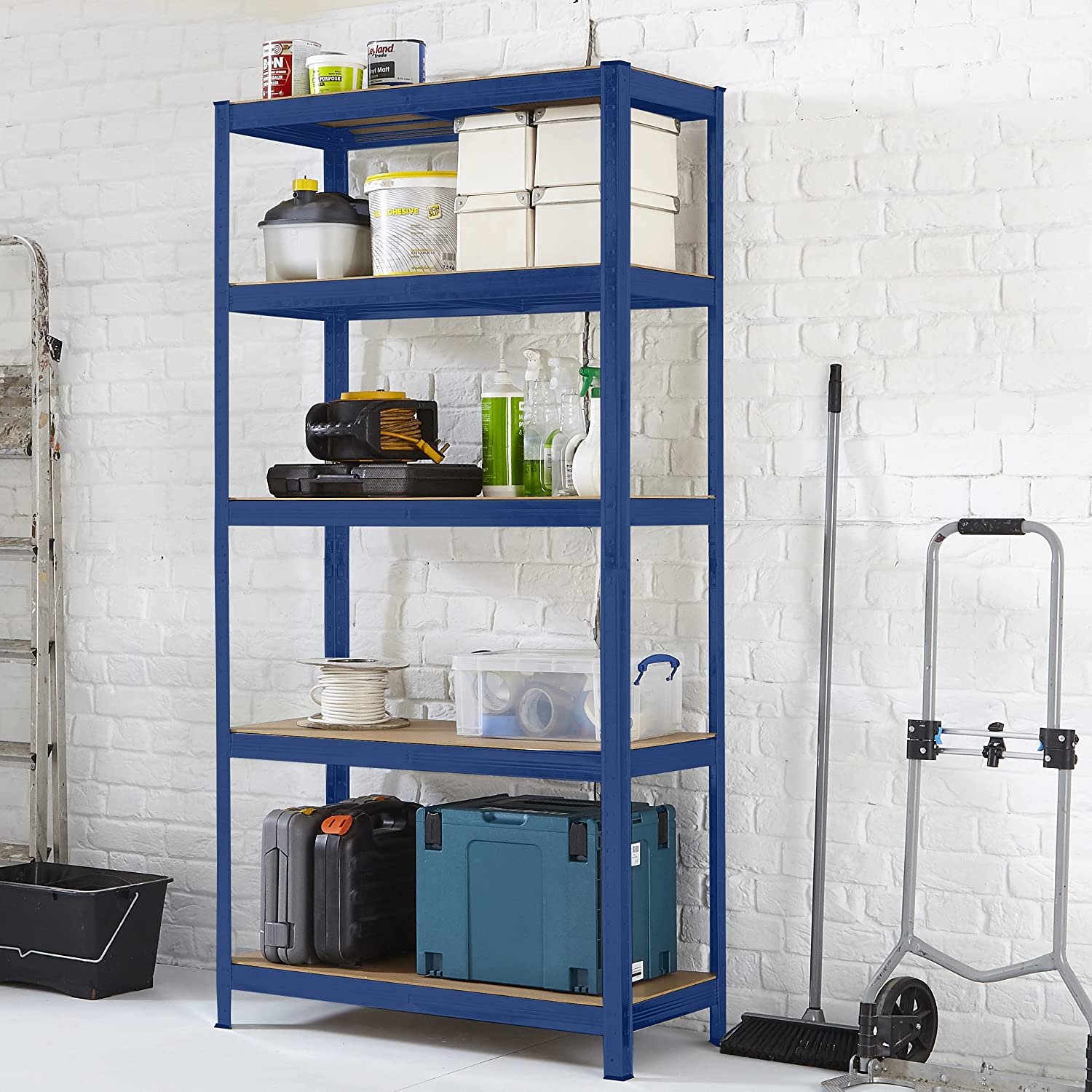
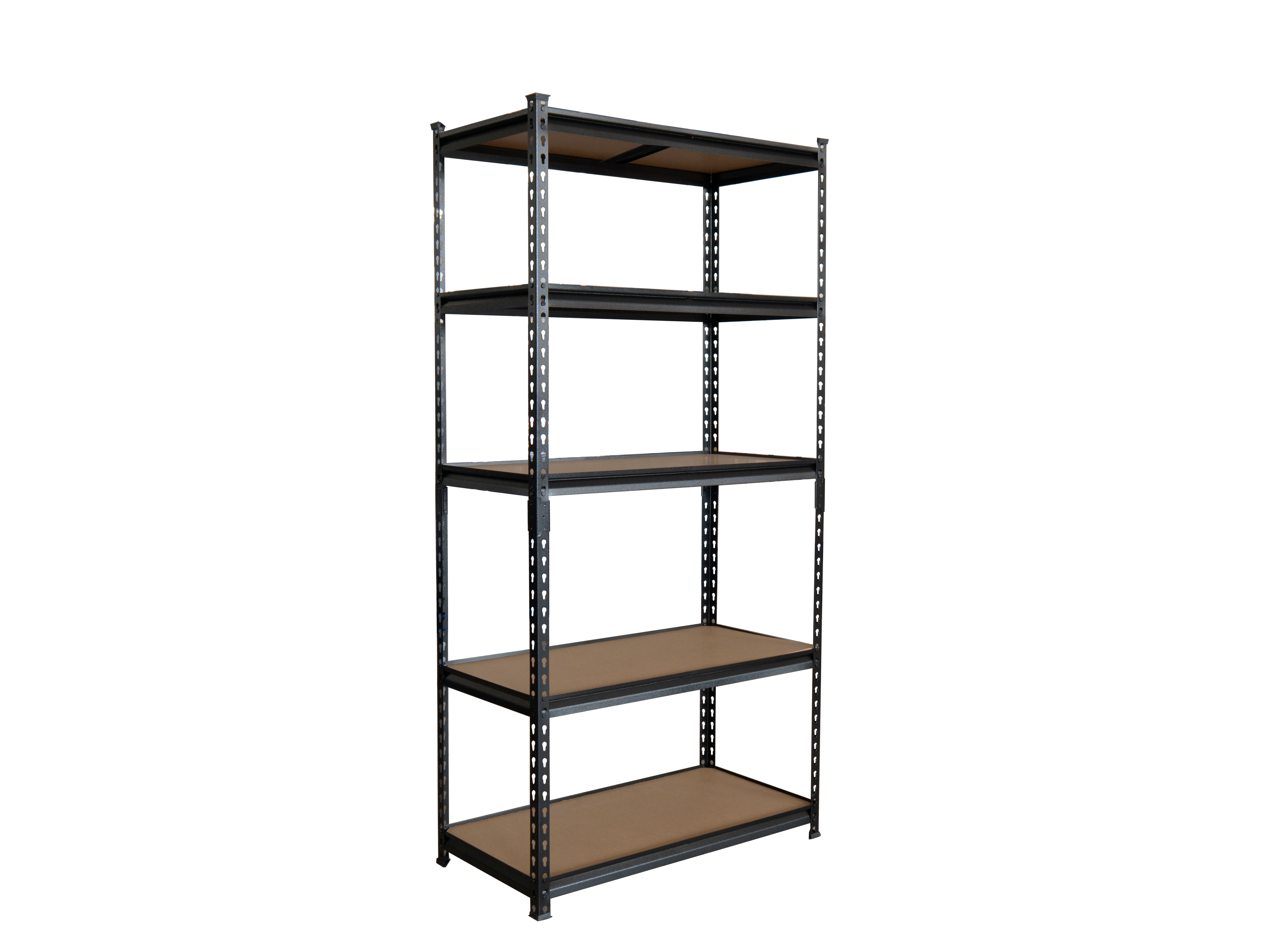
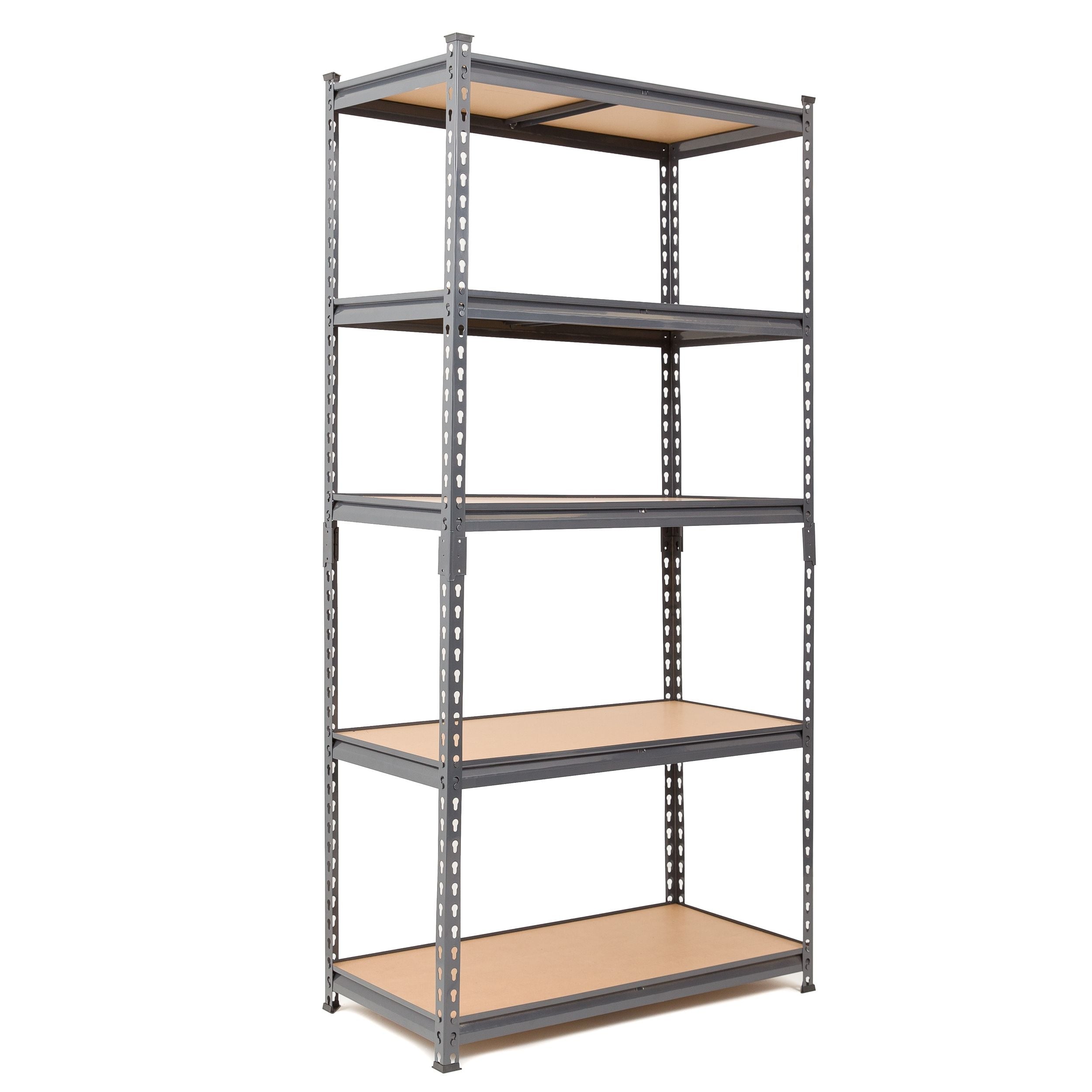
Superior Durability and Weather Resistance for Long-Term Performance
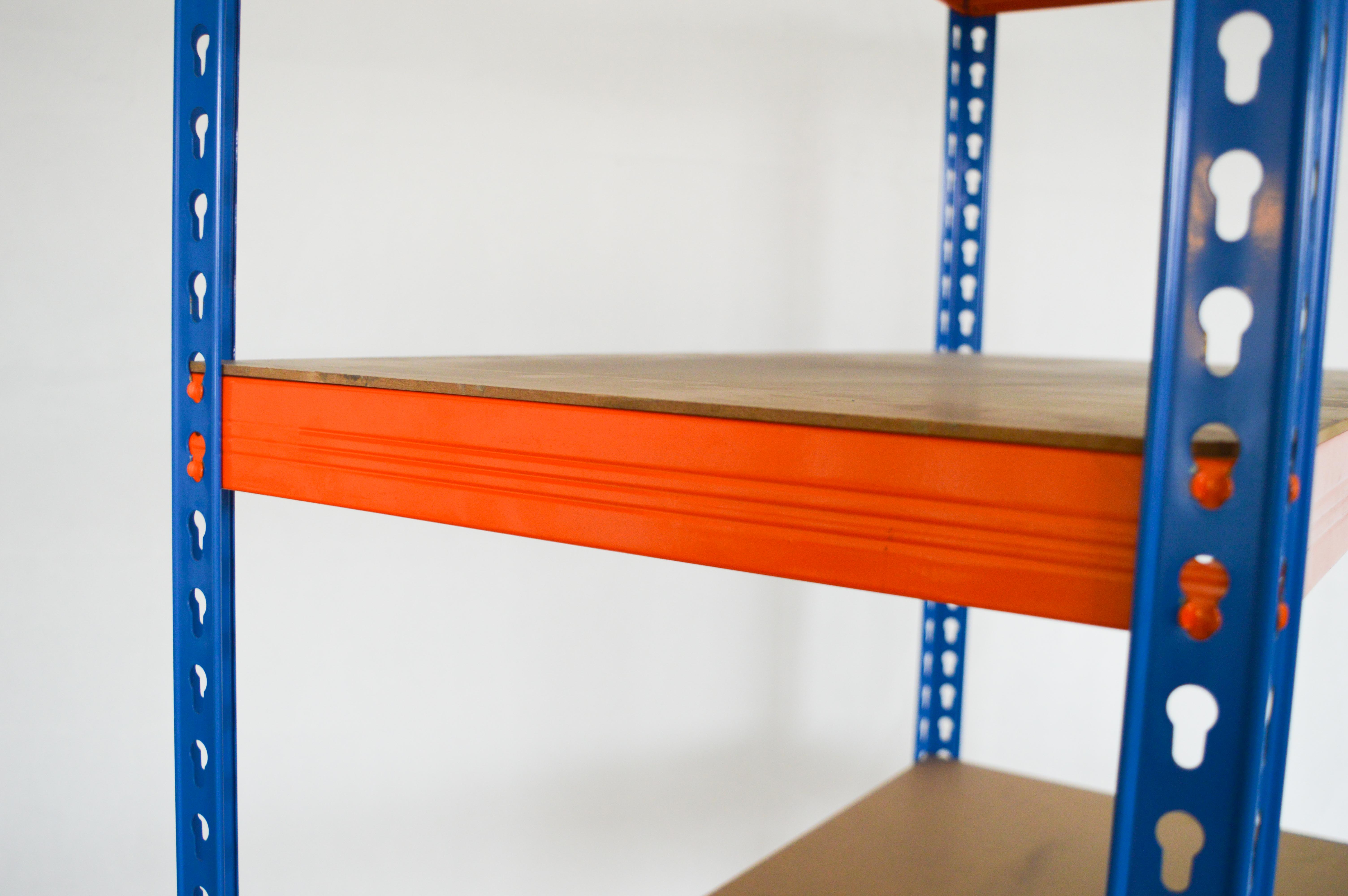
The longevity of garage steel racks stems from material selection and protective treatments that withstand environmental challenges inherent to garage environments. Unlike climate-controlled interior spaces, garages experience temperature swings from freezing winters to sweltering summers, humidity fluctuations during rainy seasons, and exposure to automotive fluids, chemicals, and abrasive dust. Garage steel racks are specifically engineered to thrive in these demanding conditions through multiple protective strategies. The foundation begins with steel selection, utilizing alloys with optimal carbon content that balances strength, ductility, and corrosion resistance. The manufacturing process involves cold-rolling that work-hardens the steel, increasing tensile strength and creating a denser molecular structure less susceptible to oxidation. Following fabrication, components undergo thorough cleaning and degreasing to remove manufacturing residues, oils, and contaminants that would compromise coating adhesion. The powder-coating application represents the critical protective barrier, applied electrostatically to ensure complete coverage including edges, corners, and recessed areas where liquid paint might pool or miss. The powder particles, charged with opposite polarity to the grounded steel components, adhere uniformly before heat-curing in industrial ovens at temperatures exceeding 350 degrees Fahrenheit. This thermal process chemically bonds the coating to the steel substrate, creating a finish that is significantly more durable than conventional paint. The resulting surface resists chipping from impacts, scratching from dragged items, and chemical damage from spilled automotive fluids or cleaning agents. The coating flexibility prevents cracking even when the underlying steel experiences minor flexing under load. Color stability remains consistent despite prolonged UV exposure from garage windows or door openings, maintaining an attractive appearance for years. The rust resistance proves particularly valuable in coastal regions with salt air exposure or areas with high humidity that would quickly corrode unprotected steel. Even if minor scratches penetrate to bare metal, the surrounding coating prevents corrosion from spreading laterally, a phenomenon known as edge creep that rapidly degrades inferior finishes. The structural design incorporates drainage considerations with perforated or wire mesh shelves that prevent water accumulation if items are stored while damp. Raised edges or lips on solid shelves channel any liquids toward designated drainage points rather than allowing pooling that could compromise the coating. The elevated positioning off the garage floor provides crucial protection against ground moisture, whether from concrete sweating, minor flooding, or water tracked in from vehicles. This separation prevents the base deterioration common in wooden shelving that contacts damp concrete. The steel composition itself resists biological degradation, remaining impervious to termites, rodents, mold, and mildew that can destroy organic materials. This biological resistance ensures structural integrity regardless of pest pressures or moisture conditions that would ruin wood or cardboard storage solutions.
 EN
EN