 EN
EN

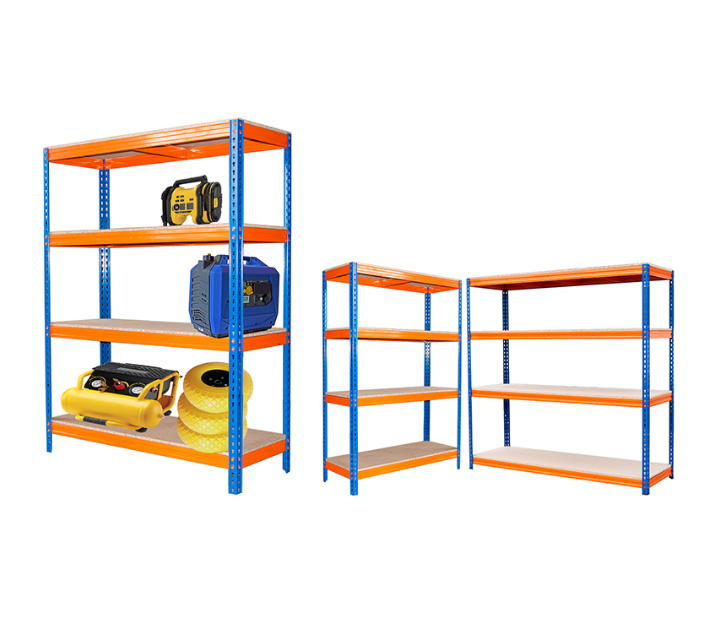
Penyelesaian penyimpanan moden telah berkembang jauh melampaui kegunaan asas, menggabungkan fungsi dengan daya tarikan estetik untuk meningkatkan sebarang ruang. Pemilik rumah dan pengendali perniagaan pada hari ini mencari sistem penganjuran yang tidak sahaja memaksimumkan kapasiti penyimpanan tetapi juga selaras dengan preferensi reka bentuk dalaman mereka. Kewujudan rak plastik dengan sisi berwarna mewakili satu kemajuan besar dalam bidang ini, menawarkan ketahanan, kebolehsuain, dan pilihan penyesuaian visual yang tidak dapat ditandingi oleh rak logam atau kayu konvensional. Sistem penyimpanan inovatif ini memberikan keseimbangan sempurna antara penganjuran praktikal dan penyampaian bergaya, menjadikannya ideal untuk garaj, storan, bengkel, dan persekitaran komersial di mana kedua-dua bentuk dan fungsi adalah penting.
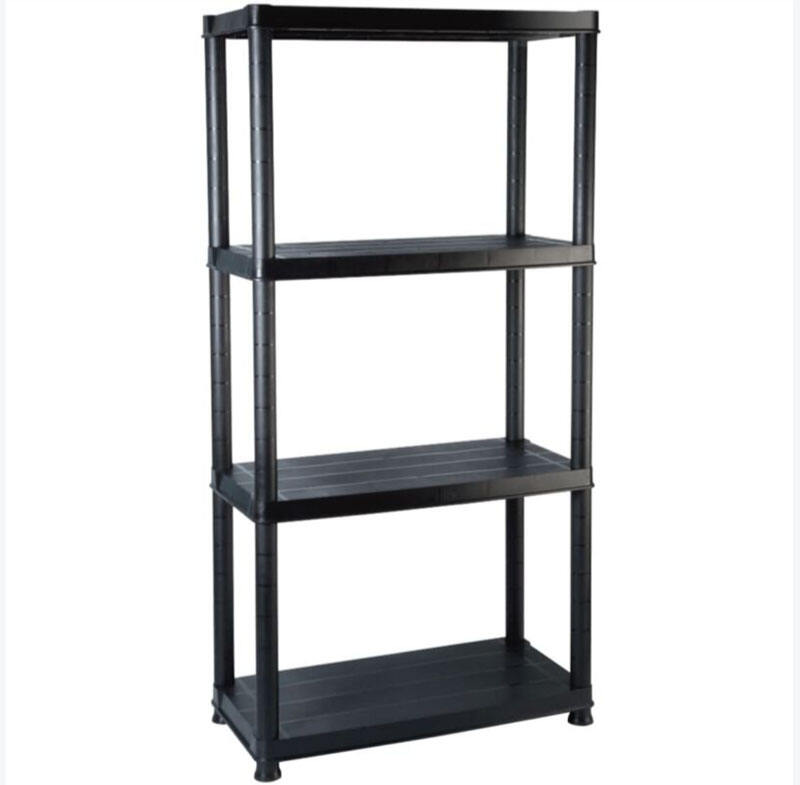
Memahami Plastik Moden Rak Reka Bentuk
Inovasi Bahan dan Pembinaan
Sistem rak plastik kontemporari menggunakan kejuruteraan polimer maju untuk mencipta struktur yang sebanding dengan bahan tradisional dari segi kekuatan, sambil mengatasi mereka dari segi kebolehsuaian. Sebatian polietilena berketumpatan tinggi dan polipropilena membentuk teras sistem ini, memberikan rintangan luar biasa terhadap kelembapan, bahan kimia, dan perubahan suhu. Proses pengeluaran melibatkan teknik percetakan tepat yang memastikan kualiti yang konsisten dan ketepatan dimensi merentasi semua komponen. Bahan-bahan ini mengekalkan integriti struktur mereka di bawah beban berat, menjadikannya sesuai untuk aplikasi berat dalam persekitaran kediaman dan komersial.
Metodologi pembinaan menekankan prinsip reka bentuk modular, membolehkan pengguna menyesuaikan penyelesaian storan mengikut keperluan ruang tertentu. Mekanisme saling kunci menghapuskan keperluan untuk perakitan perkakasan yang kompleks sambil mengekalkan sambungan yang kukuh antara rak dan struktur sokongan. Pendekatan ini secara ketara mengurangkan masa pemasangan dan kerumitan berbanding sistem rak tradisional. Komponen plastik kejuruteraan tahan terhadap pelengkungan, retakan, dan kerosakan yang biasa menjejaskan alternatif kayu dan logam, memastikan kebolehpercayaan jangka panjang dan prestasi yang konsisten.
Pengintegrasian Warna dan Manfaat Estetik
Penggabungan panel sisi berwarna mengubah penyimpanan yang bersifat utiliti kepada ciri organisasi menarik yang meningkatkan nilai persekitaran sekeliling, bukannya merosakkannya. Pengintegrasian warna berlaku semasa proses pengilangan, memastikan rintangan luntur dan taburan seragam sepanjang matriks bahan. Pendekatan ini mengelakkan masalah lapisan permukaan seperti kepingan terkelupas, retak, atau corak haus yang merosakkan rupa dan fungsi pada jangka panjang. Warna tersebut menjadi sebahagian integral struktur bahan, bukannya rawatan luaran semata-mata.
Pilihan warna yang tersedia biasanya termasuk warna netral klasik seperti putih, kelabu, dan hitam, bersama dengan pilihan yang lebih berwarna seperti biru, merah, hijau, dan kuning. Pelbagai pilihan ini membolehkan pengguna untuk menyelaraskan penyelesaian penyimpanan mereka dengan skema hiasan sedia ada atau mencipta zon organisasi yang unik di dalam ruang yang lebih besar. Kesan psikologi warna dalam sistem organisasi tidak seharusnya diabaikan, kerana pilihan warna yang sesuai boleh meningkatkan produktiviti, mengurangkan tekanan, dan meningkatkan kepuasan pengguna secara keseluruhan terhadap susunan penyimpanan.
Pertimbangan Pemasangan dan Pemasangan
Sistem Pemasangan Tanpa Alat
Rak plastik moden dengan sisi berwarna dilengkapi mekanisme saling kunci yang canggih, menghilangkan keperluan pengapit tradisional. Sistem ini menggunakan titik penyambungan yang direkabentuk secara tepat untuk mencipta pemasangan yang kukuh melalui kesan mekanikal dan teknologi kunci tekan. Pengguna boleh menyelesaikan pemasangan tanpa alat khas, mengurangkan masa pemasangan serta ralat berkemungkinan berlaku. Sistem penyambungan ini mengagihkan beban secara sekata merentasi beberapa titik sentuhan, meningkatkan kestabilan struktur dan kapasiti menanggung berat secara keseluruhan.
Arahan pemasangan untuk sistem-sistem ini menekankan urutan logik dan kejelasan visual, membolehkan pemasangan berjaya oleh pengguna dengan pelbagai tahap pengalaman teknikal. Pengilang berkualiti menyediakan dokumentasi terperinci yang merangkumi gambar langkah demi langkah, spesifikasi dimensi, dan panduan penyelesaian masalah. Sifat modular sistem-sistem ini membolehkan penataan semula yang mudah apabila keperluan penyimpanan berubah, menjadikannya sangat bernilai dalam persekitaran dinamik di mana fleksibiliti adalah penting.
Perancangan Ruang dan Pilihan Konfigurasi
Pemasangan rak plastik yang berkesan memerlukan pertimbangan teliti terhadap dimensi ruang yang tersedia, ketinggian siling, dan keperluan akses. Kebanyakan sistem menawarkan kedudukan rak boleh laras yang mampu menampung barang dengan pelbagai saiz sambil memaksimumkan kecekapan penyimpanan menegak. Proses perancangan harus mengambil kira kemungkinan pengembangan pada masa depan dan keperluan penataan semula. Jarak yang sesuai antara rak mengelakkan kesesakan serta memastikan aksesibiliti optimum kepada barang yang disimpan.
Fleksibiliti konfigurasi merangkumi lebih daripada larasan rak asas, termasuk aksesori khusus seperti pembahagi, bekas, dan sistem gantung. Komponen-komponen ini menyatu dengan sempurna bersama struktur rak asas untuk mencipta penyelesaian penyimpanan tersuai bagi aplikasi tertentu. Keupayaan untuk mengubah suai konfigurasi tanpa membongkar keseluruhan unit memberikan kelebihan operasi yang ketara dalam persekitaran kediaman dan komersial di mana keperluan penyimpanan kerap berubah.
Ciri-ciri Prestasi dan Ketahanan
Kapasiti Muatan dan Keselamatan Struktur
Sistem rak plastik premium menunjukkan keupayaan menanggung beban yang mengagumkan, sering kali melebihi jangkaan pengguna untuk struktur berasaskan polimer. Kapasiti setiap rak biasanya berada dalam lingkungan 100 hingga 300 paun apabila diedarkan dengan betul, menjadikannya sesuai untuk menyimpan barang berat seperti komponen automotif, bekalan industri, atau barang runcit isi rumah. Pendekatan pemuatan teragih ini mengelakkan kepekatan tekanan yang boleh merosakkan integriti struktur pada jangka masa panjang.
Protokol ujian struktur menilai sistem-sistem ini di bawah pelbagai keadaan pemuatan bagi menentukan parameter operasi yang selamat. Pengilang berkualiti menjalani ujian penuaan dipantas terhadap produk mereka untuk mensimulasikan penggunaan normal selama bertahun-tahun dalam keadaan makmal yang terkawal. Penilaian-penilaian ini mengesahkan kestabilan jangka panjang dan mengenal pasti mod kegagalan yang mungkin berlaku sebelum produk sampai ke pasaran. Data prestasi yang diperoleh membolehkan keputusan pemilihan dibuat secara bijak berdasarkan keperluan aplikasi tertentu.
Rintangan terhadap Alam Sekitar dan Penyelenggaraan
Ciri-ciri semula jadi bahan plastik moden memberikan rintangan luar biasa terhadap faktor persekitaran yang kerap merosakkan bahan rak konvensional. Pendedahan terhadap lembapan, yang menyebabkan karat pada sistem logam dan reput pada struktur kayu, mempunyai kesan yang minima terhadap komponen plastik yang diformulasikan dengan betul. Rintangan kimia merangkumi bahan rumah tangga dan perindustrian biasa, termasuk agen pembersih, cecair kenderaan, dan produk makanan yang mungkin tumpah secara tidak sengaja semasa penggunaan biasa.
Keperluan penyelenggaraan untuk rak plastik dengan sisi berwarna tetap minima sepanjang hayat perkhidmatan mereka. Pembersihan rutin melibatkan pencucian mudah dengan larutan detergen ringan, menghilangkan keperluan untuk produk atau prosedur penyelenggaraan khusus. Permukaan bukan liang mencegah pertumbuhan bakteria dan pengekalan bau, menjadikan sistem ini sangat sesuai untuk penyimpanan makanan dan aplikasi penjagaan kesihatan di mana kebersihan adalah perkara utama.
Aplikasi di pelbagai persekitaran
Penyelesaian Penyimpanan Perumahan
Organisasi rumah mendapat manfaat besar daripada kepelbagaian dan daya tarikan estetik sistem rak plastik berwarna. Aplikasi garaj mengambil kesempatan daripada rintangan lembapan dan keserasian kimia sambil memanfaatkan kemungkinan pengekodan warna untuk kategori penyimpanan yang berbeza. Pemasangan dalam pantry memanfaatkan sifat higienik dan ciri-ciri pembersihan yang mudah sambil menyelaraskan dengan elemen reka bentuk dapur melalui pemilihan warna yang sesuai.
Aplikasi dalam ruang bawah tanah dan bilik utiliti memanfaatkan rintangan kulat dan kestabilan struktur yang disediakan oleh bahan plastik dalam keadaan persekitaran yang mencabar. Keupayaan untuk membongkar dan memindahkan sistem ini menjadikannya ideal untuk hartanah sewa atau situasi di mana pemasangan kekal tidak diingini. Penyelarasan warna membantu mengintegrasikan penyelesaian penyimpanan ke dalam ruang hidup tanpa menimbulkan gangguan visual atau mengurangkan daya tarikan estetik.
Aplikasi Komersial dan Industri
Persekitaran perniagaan mendapat manfaat daripada rupa profesional dan kebolehpercayaan fungsian sistem rak plastik moden. Aplikasi runcit menggunakan pengekodan warna untuk pengurusan inventori dan pemasaran visual sambil mengekalkan paparan yang bersih dan menarik. Persekitaran gudang menghargai rintangan kimia dan ketahanan hentaman yang mengurangkan kos penggantian dan keperluan penyelenggaraan berbanding bahan tradisional.
Fasiliti penjagaan kesihatan memerlukan penyelesaian storan yang memenuhi piawaian higiene yang ketat sambil memberikan prestasi yang boleh dipercayai di bawah keadaan mencabar. Permukaan tidak liang dan rintangan kimia pada sistem rak plastik selaras sempurna dengan protokol kawalan jangkitan dan keperluan pembersihan. Institusi pendidikan mendapat manfaat daripada ciri keselamatan dan ketahanan yang mengurangkan risiko liabiliti sambil menyediakan penyelesaian storan jangka panjang yang berkesan dari segi kos.
Kriteria Pemilihan dan Praktik Terbaik
Menilai Kualiti dan Spesifikasi
Pemilihan rak plastik yang sesuai memerlukan penilaian teliti terhadap beberapa faktor utama yang menentukan kepuasan jangka panjang dan prestasi. Spesifikasi bahan harus merangkumi maklumat terperinci mengenai jenis polimer, pengstabilan UV, dan penarafan rintangan hentaman. Petunjuk kualiti pembuatan termasuk ketepatan dimensi, kekonsistenan kemasan permukaan, dan ketepatan mekanisme sambungan. Faktor-faktor ini secara langsung mempengaruhi penampilan dan prestasi fungsian sepanjang kitar hayat produk.
Kadar kapasiti berat memerlukan pengesahan melalui ujian bebas dan bukan hanya bergantung kepada dakwaan pengilang. Teknik agihan beban yang betul memaksimumkan kapasiti rak sambil mengelakkan kegagalan awal atau bahaya keselamatan. Memahami hubungan antara rentangan rak, jarak penyokong, dan kapasiti beban membolehkan konfigurasi optimum untuk keperluan simpanan tertentu. Faktor keserasian persekitaran termasuk julat suhu, had pendedahan bahan kimia, dan spesifikasi rintangan degradasi UV.
Pertimbangan Kos dan Analisis Nilai
Kos pembelian awal untuk sistem rak plastik harus dinilai dalam konteks jumlah perbelanjaan pemilikan sepanjang jangka hayat perkhidmatan yang dijangkakan. Sistem berkualiti tinggi biasanya memberikan nilai jangka panjang yang lebih baik melalui keperluan penggantian yang kurang dan keperluan penyelenggaraan yang lebih rendah. Keupayaan untuk mengkonfigur semula dan mengembangkan sistem ini menambah nilai dengan menampung perubahan keperluan simpanan tanpa memerlukan penggantian sepenuhnya.
Analisis perbandingan harus merangkumi kos pemasangan, perbelanjaan penyelenggaraan, dan kesan produktiviti yang berpotensi berkaitan dengan pelbagai pilihan rak. Manfaat estetik rak plastik berwarna mungkin menghalalkan penentuan harga premium dalam aplikasi di mana rupa mempengaruhi kepuasan pengguna atau persepsi pelanggan secara signifikan. Kos tenaga untuk persekitaran terkawal iklim mungkin mendapat manfaat daripada sifat terma bahan plastik berbanding alternatif logam.
Soalan Lazim
Apakah kapasiti beban yang boleh saya jangkakan daripada rak plastik dengan sisi berwarna
Sistem rak plastik berkualiti biasanya menyokong antara 100 hingga 300 paun setiap rak apabila berat diagihkan secara sekata. Kapasiti sebenar bergantung kepada dimensi rak, jarak penyokong, dan spesifikasi bahan. Model tahan lasak yang direka untuk kegunaan di garaj dan bengkel kerap melebihi julat ini, dengan sesetengah unit menyokong lebih daripada 400 paun setiap rak. Sentiasa sahkan spesifikasi pengilang dan pertimbangkan margin keselamatan apabila merancang beban penyimpanan untuk memastikan kebolehpercayaan jangka panjang dan keselamatan pengguna.
Bagaimanakah rak plastik berwarna mengekalkan rupa mereka dari semasa ke semasa
Rak plastik moden menggabungkan warna sepanjang matriks bahan dan bukannya menggunakan salutan permukaan, memastikan rintangan terhadap luntur dan ketahanan. Penstabil UV menghalang kerosakan akibat pendedahan cahaya matahari, manakala permukaan yang tidak poros menentang kotoran dan perubahan warna akibat tumpahan atau pencemar persekitaran. Pembersihan berkala dengan detergen lembut mengekalkan rupa asal, dan bahan ini tidak akan retak, terkopek, atau menunjukkan corak haus seperti permukaan berwarna pada alternatif logam atau kayu.
Bolehkah sistem rak plastik dikonfigur semula selepas pemasangan awal
Ya, kebanyakan sistem rak plastik berkualiti dilengkapi rekabentuk modular yang membolehkan pembongkaran dan penyusunan semula sepenuhnya tanpa kerosakan pada komponen. Mekanisme pemasangan tanpa alat membolehkan pengguna melaraskan ketinggian rak, menambah atau mengalih keluar aras, dan malah memindahkan keseluruhan unit apabila keperluan simpanan berubah. Fleksibiliti ini memberikan nilai yang besar berbanding pemasangan tetap dan menjadikan sistem ini sangat sesuai untuk keperluan simpanan yang sentiasa berkembang dalam aplikasi kediaman dan komersial.
Adakah unit rak plastik sesuai untuk persekitaran luar atau garaj
Sistem rak plastik berkualiti tinggi unggul dalam keadaan persekitaran mencabar termasuk garaj, tapak bawah tanah, dan kawasan luar yang berteduh. Bahan-bahan ini rintang lembapan, perubahan suhu, dan bahan kimia biasa tanpa mengalami kerosakan atau kehilangan integriti struktur. Penstabilan UV mencegah kerosakan akibat cahaya matahari di kawasan yang terdedah kepada cahaya semula jadi. Walau bagaimanapun, pendedahan langsung di luar rumah terhadap unsur cuaca mungkin memerlukan formulasi tertentu yang rintang UV, jadi sahkan spesifikasi persekitaran dengan pengilang sebelum pemasangan di lokasi luar yang tidak berteduh.
Kandungan
- Memahami Plastik Moden Rak Reka Bentuk
- Pertimbangan Pemasangan dan Pemasangan
- Ciri-ciri Prestasi dan Ketahanan
- Aplikasi di pelbagai persekitaran
- Kriteria Pemilihan dan Praktik Terbaik
-
Soalan Lazim
- Apakah kapasiti beban yang boleh saya jangkakan daripada rak plastik dengan sisi berwarna
- Bagaimanakah rak plastik berwarna mengekalkan rupa mereka dari semasa ke semasa
- Bolehkah sistem rak plastik dikonfigur semula selepas pemasangan awal
- Adakah unit rak plastik sesuai untuk persekitaran luar atau garaj

