 EN
EN

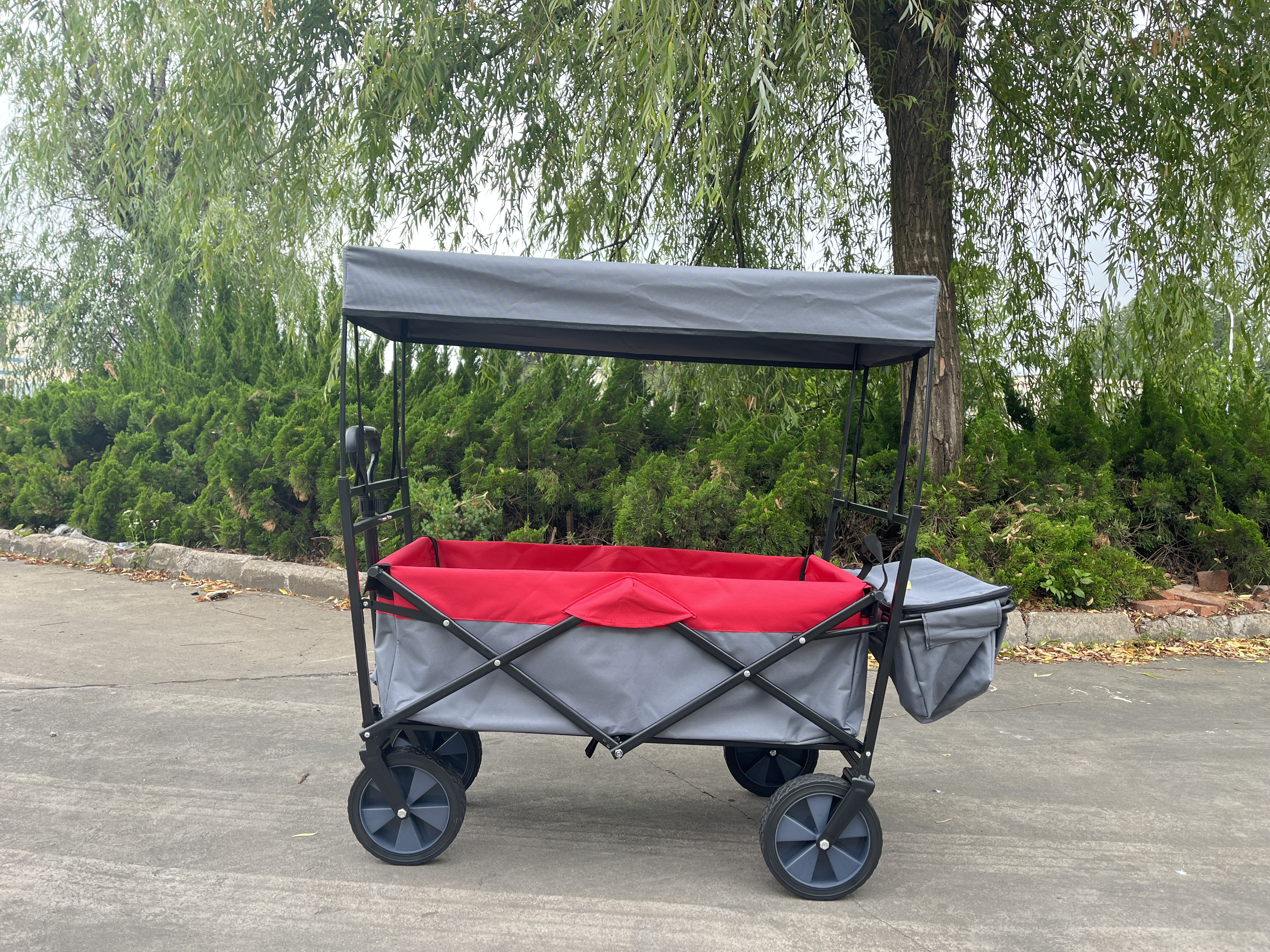
Distribution centers operate in environments where efficiency, speed, and cost control determine profitability. Every second counts when moving inventory from receiving docks to storage zones, picking areas to packing stations, and staging areas to outbound loading bays. In this high-pressure setting, the flatbed hand cart has become an indispensable tool for bulk handling operations. Unlike powered equipment that requires fuel, charging infrastructure, and certified operators, the flatbed hand cart delivers immediate material movement capability with minimal overhead. Distribution managers choose this equipment because it addresses fundamental operational challenges: rapid deployment across variable workflows, safe handling of mixed load types, and flexibility in tight or congested spaces where forklifts cannot maneuver effectively.
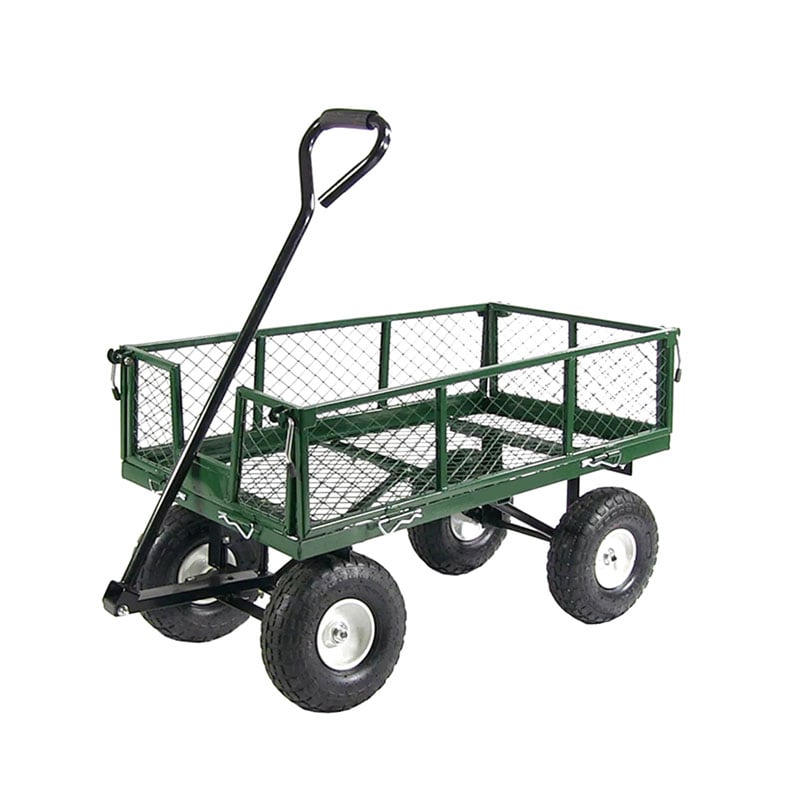
The strategic value of the flatbed hand cart in distribution centers extends beyond simple load transport. These carts enable decentralized material flow control, allowing individual workers to respond to dynamic picking demands without waiting for shared powered equipment. They support cross-docking operations where goods move directly from inbound to outbound without interim storage, requiring fast repositioning of palletized or bulk items. The design simplicity of a flatbed hand cart means maintenance downtime remains negligible, and replacement costs stay low compared to mechanized alternatives. For distribution centers managing seasonal volume spikes or running multi-shift operations, the ability to scale material handling capacity by simply adding more carts represents a capital-efficient approach that aligns with lean operational principles and just-in-time logistics models.
Operational Speed and Workflow Flexibility in High-Volume Environments
Eliminating Equipment Allocation Delays
Distribution centers face constant pressure to minimize order-to-ship cycle times. When workers depend on shared powered equipment like forklifts or pallet jacks, delays occur during peak periods as multiple teams compete for limited resources. The flatbed hand cart eliminates this bottleneck by providing dedicated, immediately available transport capacity at every workstation. Workers can retrieve a cart within seconds and begin moving product without scheduling conflicts or handoff delays. This decentralized approach to material handling reduces idle time and keeps picking, packing, and staging workflows moving continuously.
The immediate availability of a flatbed hand cart becomes especially critical during order fulfillment rushes. E-commerce distribution centers often experience demand surges that require rapid response across multiple zones simultaneously. Rather than creating queues for powered equipment, supervisors can position carts strategically throughout the facility, enabling parallel processing of orders. This distributed material handling model supports agile workflows where teams can pivot quickly between tasks without waiting for centralized equipment pools to allocate resources.
Adapting to Variable Load Characteristics
Bulk handling in distribution centers rarely involves uniform load types. Workers might transport stacked cardboard boxes in one trip, then move loose bags of product in the next. The open platform design of a flatbed hand cart accommodates this variability without requiring different equipment types. Unlike specialized carts designed for specific container formats, the flat surface accepts irregular shapes, oversized items, and mixed loads that would be difficult to secure on narrow or contoured platforms.
This versatility proves particularly valuable in third-party logistics operations serving diverse clients. A single distribution center might handle automotive parts, consumer electronics, and food products within the same shift. The flatbed hand cart serves all these product categories effectively, reducing the need to maintain separate equipment fleets for different inventory types. Operators can quickly switch between handling shrink-wrapped pallets, loose cartons, or bagged materials using the same cart, which streamlines training requirements and simplifies equipment management protocols.
Supporting Cross-Docking and Direct Transfer Operations
Cross-docking strategies aim to minimize storage time by transferring goods directly from receiving to shipping. This process demands rapid material movement across the distribution floor, often involving partial pallet quantities or mixed SKU loads. The flatbed hand cart excels in these scenarios because it allows workers to quickly break down inbound pallets, sort items by outbound destination, and transport sorted batches to staging lanes without intermediate storage steps.
The efficiency gains from using flatbed hand carts in cross-docking operations compound across high-volume facilities. When distribution centers process hundreds of inbound trailers daily, the ability to move smaller, sorted loads continuously prevents congestion at receiving docks and staging areas. Workers can maintain constant flow rather than waiting for powered equipment to transport full pallets, which may contain products destined for multiple outbound shipments. This granular control over material movement reduces handling touches and accelerates overall throughput.
Cost Efficiency and Operational Economics
Minimal Capital Investment and Maintenance Requirements
Distribution centers operate under constant pressure to control costs while scaling capacity. Powered material handling equipment represents significant capital expenditure, with individual forklifts costing tens of thousands of dollars and requiring ongoing maintenance, fuel or charging infrastructure, and operator certification programs. In contrast, a flatbed hand cart delivers immediate material handling capability at a fraction of the investment, typically requiring only basic inspection and occasional wheel replacement over years of service.
The economic advantage extends beyond purchase price. Flatbed hand carts generate zero energy costs, require no specialized maintenance staff, and involve minimal downtime. When a cart needs repair, facilities can often handle basic fixes in-house using standard tools. This low total cost of ownership makes the flatbed hand cart an attractive option for distribution centers managing thin profit margins, especially in competitive markets where operational efficiency directly impacts financial performance.
Scaling Capacity Without Infrastructure Expansion
Seasonal demand fluctuations challenge distribution center capacity planning. Retail distribution operations might see volume double during holiday periods, while industrial logistics centers experience spikes tied to production cycles or project deadlines. Adding powered equipment to handle temporary volume increases creates underutilized assets during off-peak periods. The flatbed hand cart solves this problem by enabling rapid, low-cost capacity scaling that aligns with actual demand patterns.
Facilities can stockpile additional flatbed hand carts during slow periods and deploy them instantly when volume increases, without facility modifications or infrastructure upgrades. This flexibility supports lean operational models where resources scale proportionally with workload. Temporary workers hired for peak seasons can begin using carts immediately after basic safety orientation, avoiding the time and cost associated with forklift certification programs that would be required for powered equipment operation.
Reducing Labor Costs Through Simplified Training
Operator certification requirements for powered material handling equipment create both direct training costs and indirect productivity losses during the learning period. New employees cannot contribute fully to operations until completing certification, which delays their integration into workflows. The flatbed hand cart eliminates these barriers by requiring only basic safety instruction that workers can absorb in minutes rather than hours or days.
This training simplicity becomes especially valuable in high-turnover environments. Distribution centers often experience significant workforce churn, particularly in entry-level positions. Each new hire represents a training investment that must be recouped through productive work. By minimizing the time between hire date and full productivity, flatbed hand carts reduce the total labor cost per unit handled and improve overall operational efficiency. Supervisors can shift workers between tasks without recertification concerns, creating a more flexible and responsive workforce.
Safety and Ergonomic Advantages in Material Handling
Reducing Powered Equipment Collision Risks
Distribution center safety programs focus heavily on preventing accidents involving powered equipment. Forklifts and motorized pallet jacks create collision risks for both operators and pedestrian workers, particularly in congested areas with limited visibility. The flatbed hand cart operates at walking speed under direct human control, dramatically reducing the potential for high-impact accidents. Workers can stop instantly when obstacles appear, and the cart's lower mass means any contact typically results in minor incidents rather than serious injuries.
The safety benefit extends to reducing facility-wide equipment traffic. By handling appropriate loads with flatbed hand carts instead of powered equipment, distribution centers decrease the number of forklifts and motorized units moving through workspaces. This reduction in powered traffic creates calmer, more predictable environments where workers can focus on their tasks without constant vigilance for approaching machinery. The cumulative effect improves overall safety metrics and reduces insurance premiums tied to workplace injury rates.
Supporting Ergonomic Load Handling Practices
Manual material handling remains a leading cause of workplace injuries in distribution environments. Lifting, carrying, and positioning heavy items creates strain that accumulates over shifts and careers. The flatbed hand cart addresses this challenge by converting vertical lifting motions into horizontal pushing or pulling actions that distribute force more safely across larger muscle groups. Workers can slide items onto the cart platform rather than lifting them to shoulder height, reducing back strain and repetitive stress injuries.
Modern flatbed hand cart designs incorporate ergonomic features that further reduce physical stress. Handle heights adjust to accommodate different operator sizes, ensuring proper pushing posture. Large-diameter wheels roll smoothly over floor transitions and debris, requiring less force to maintain momentum. These design elements combine to create material handling solutions that workers can use throughout full shifts without excessive fatigue, supporting both productivity and long-term employee health outcomes.
Enhancing Visibility and Spatial Awareness
Powered equipment operators face visibility challenges due to load height, equipment structure, and speed. Blind spots create situations where pedestrians or obstacles remain hidden until collision becomes unavoidable. The flatbed hand cart maintains excellent operator visibility because workers walk alongside or behind the load with unobstructed sightlines. This positioning allows continuous visual monitoring of the path ahead, surrounding traffic, and load stability throughout transport operations.
The improved awareness extends to better load monitoring during movement. Workers using a flatbed hand cart can immediately detect shifting cargo, unstable stacking, or items at risk of falling. This real-time observation capability enables quick corrections before loads become hazardous. In contrast, powered equipment operators may not notice load problems until items fall or the equipment becomes unstable, creating more dangerous situations that require emergency responses rather than preventive adjustments.
Space Optimization and Facility Layout Compatibility
Maneuvering in Constrained Environments
Distribution centers constantly balance the competing demands of maximizing storage density and maintaining adequate travel aisles. High-density racking configurations narrow aisle widths to levels that challenge powered equipment maneuverability. The compact footprint and tight turning radius of a flatbed hand cart enable effective material movement in these constrained spaces where forklifts would require wider clearances. Workers can navigate between rack rows, around column structures, and through doorways that would be inaccessible to larger equipment.
This spatial flexibility proves especially valuable in older facilities not designed for modern material handling equipment. Many distribution centers operate in repurposed industrial buildings with structural columns, irregular floor plans, and doorways sized for human passage rather than equipment access. Rather than expensive facility modifications to accommodate powered equipment, operations can maintain efficient material flow using flatbed hand carts that adapt to existing spatial constraints. This compatibility preserves storage capacity while maintaining necessary handling capabilities.
Reducing Aisle Width Requirements
Facility designers calculate aisle widths based on the turning radius and clearance requirements of material handling equipment. Powered forklifts typically require aisles between eight and twelve feet wide for safe maneuvering, which directly reduces available storage space. Distribution centers that rely partially on flatbed hand carts for appropriate load sizes can implement narrower aisles in certain zones, increasing overall storage density without sacrificing material flow efficiency.
The economic impact of aisle width reduction compounds across large facilities. A distribution center with hundreds of aisles might recover thousands of square feet of storage space by narrowing pathways where flatbed hand carts handle primary material movement. This recovered space translates directly to increased inventory capacity without building expansion costs. For distribution operations in high-rent urban areas or constrained sites, the ability to maximize existing square footage delivers significant financial benefits.
Supporting Flexible Zone Reconfiguration
Distribution centers regularly reconfigure zones to accommodate changing inventory profiles, new client requirements, or seasonal product mixes. These layout changes often involve moving racking, adjusting pick faces, and reorienting workflow patterns. Facilities heavily dependent on powered equipment must ensure new layouts maintain adequate clearances and turning radii for forklifts and pallet jacks. The flatbed hand cart's adaptability reduces these constraints, allowing greater flexibility in zone design since the equipment can navigate varied spatial configurations.
This reconfiguration freedom enables distribution managers to optimize layouts for specific operational priorities rather than equipment limitations. A facility might temporarily create high-density storage zones during inventory buildup periods, then transition to wider pick faces during peak fulfillment seasons. Throughout these changes, flatbed hand carts continue supporting material movement without requiring corresponding adjustments to equipment fleets or workflow protocols. The operational agility this creates helps distribution centers respond quickly to market demands and customer requirements.
Integration with Modern Distribution Strategies
Supporting Zone-Based Picking Systems
Contemporary distribution centers increasingly implement zone-based picking where different teams handle specific inventory areas rather than individual pickers traveling throughout the facility. This strategy reduces travel time and increases specialization, but requires efficient methods for moving partial orders between zones. The flatbed hand cart serves this inter-zone transfer function effectively, allowing workers to quickly transport picked items from their zone to the next stage in the order assembly process.
The cart-based transfer approach scales naturally with order volume. During slow periods, individual workers might push carts between adjacent zones. As volume increases, facilities can establish dedicated transfer roles where workers continuously shuttle loaded flatbed hand carts through sequential picking zones. This scalability helps maintain consistent throughput across variable demand conditions without complex system redesigns or equipment changes.
Enabling Batch Picking and Wave Processing
Batch picking strategies improve efficiency by having pickers retrieve items for multiple orders simultaneously, then sorting them during downstream processing. This approach requires transporting diverse item collections from storage locations to sorting areas. The flatbed hand cart accommodates these mixed loads effectively, providing sufficient platform space for batch quantities while maintaining maneuverability through picking aisles.
Wave processing extends batch picking concepts by coordinating order fulfillment timing to optimize shipping schedules and carrier utilization. These waves create concentrated material movement demands as multiple batches converge toward packing and staging zones simultaneously. The distributed availability of flatbed hand carts prevents bottlenecks by ensuring every picker and sorter has immediate access to transport capacity. This equipment availability directly supports the tight timing windows that make wave processing effective.
Facilitating Value-Added Services and Customization
Modern distribution centers often perform value-added services beyond basic storage and fulfillment. These activities might include kitting, labeling, light assembly, or custom packaging configured to specific customer requirements. Such operations typically occur at dedicated workstations where components arrive, transformation happens, and finished products depart. The flatbed hand cart supports this workflow by efficiently moving materials to workstations and removing completed items, maintaining steady production flow without dedicated material handling systems.
The flexibility of flatbed hand carts proves particularly valuable when value-added services change frequently based on client needs. A workstation performing kitting operations one week might switch to repackaging activities the next. Throughout these changes, the same carts continue supporting material flow without requiring process redesign or equipment substitution. This adaptability helps distribution centers maintain competitive service offerings while controlling operational complexity and capital investment.
FAQ
What weight capacity should a flatbed hand cart have for typical distribution center applications?
Distribution centers typically require flatbed hand carts with weight capacities between 600 and 1,200 pounds to handle standard bulk loads effectively. The appropriate capacity depends on the specific products handled and average load characteristics. Facilities moving lighter items like packaged consumer goods can operate efficiently with 600-800 pound capacity carts, while operations handling denser products such as automotive parts or building materials benefit from 1,000-1,200 pound rated equipment. Selecting appropriate capacity ensures safe operation while avoiding over-specification that adds unnecessary cost and equipment weight.
How do flatbed hand carts compare to powered pallet jacks for partial pallet movement?
Flatbed hand carts and powered pallet jacks serve complementary roles rather than competing directly. Powered pallet jacks excel at moving full pallets across longer distances, particularly when loads exceed 1,500 pounds or transport distances span hundreds of feet. Flatbed hand carts prove more efficient for partial pallet quantities, mixed loads, and shorter transport distances common in picking and staging operations. They require no charging infrastructure, provide better maneuverability in tight spaces, and eliminate operator certification requirements. Many distribution centers optimize material handling by using powered equipment for primary pallet transport and flatbed hand carts for secondary movements and order fulfillment activities.
What maintenance intervals keep flatbed hand carts operating reliably in high-volume facilities?
Reliable flatbed hand cart operation in distribution environments requires minimal but consistent maintenance focused on wheel condition, bearing lubrication, and structural integrity. Facilities should implement weekly visual inspections checking for damaged wheels, loose fasteners, and platform surface issues. Monthly maintenance should include wheel bearing lubrication and detailed structural examination for cracks or deformation. High-volume operations benefit from quarterly wheel replacement schedules that prevent unexpected failures during peak periods. This preventive approach typically maintains cart availability above 98% while requiring less than one hour of maintenance labor per cart annually.
Can flatbed hand carts effectively support just-in-time inventory strategies?
Flatbed hand carts align naturally with just-in-time inventory principles by enabling frequent, small-batch material movements that match actual consumption rates. Just-in-time strategies minimize inventory holding by receiving materials precisely when needed rather than maintaining large buffer stocks. This approach requires responsive material handling that can quickly move incoming items to production or fulfillment areas without waiting for scheduled powered equipment runs. The immediate availability and rapid deployment of flatbed hand carts support the frequent, irregular material flows characteristic of just-in-time systems, helping distribution centers reduce inventory carrying costs while maintaining service levels.
Table of Contents
- Operational Speed and Workflow Flexibility in High-Volume Environments
- Cost Efficiency and Operational Economics
- Safety and Ergonomic Advantages in Material Handling
- Space Optimization and Facility Layout Compatibility
- Integration with Modern Distribution Strategies
-
FAQ
- What weight capacity should a flatbed hand cart have for typical distribution center applications?
- How do flatbed hand carts compare to powered pallet jacks for partial pallet movement?
- What maintenance intervals keep flatbed hand carts operating reliably in high-volume facilities?
- Can flatbed hand carts effectively support just-in-time inventory strategies?

