 EN
EN

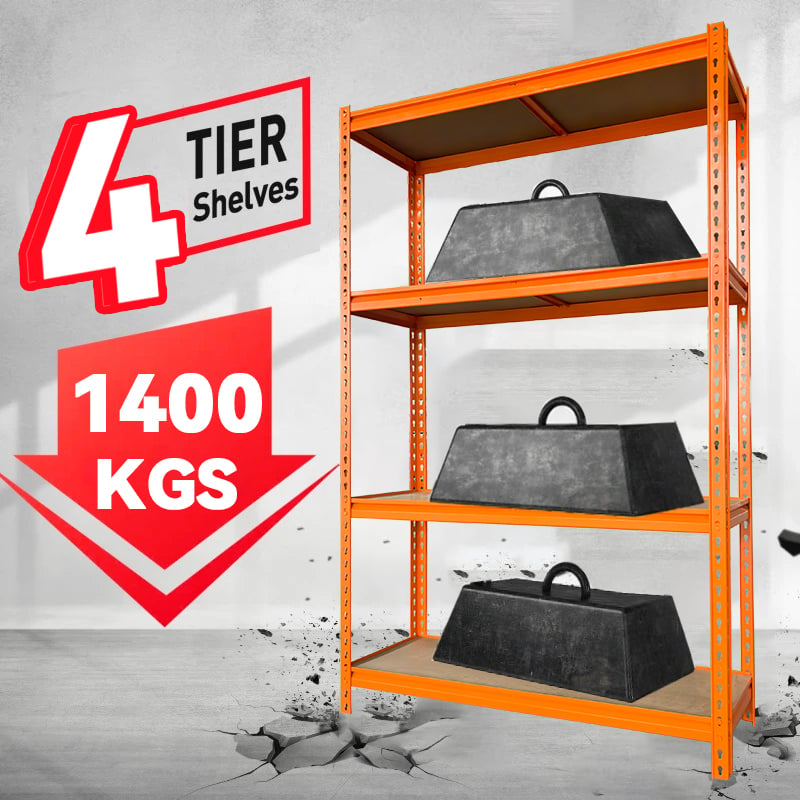
A shelf system looks simple on the surface, but in industrial and commercial environments it carries safety risk, workflow pressure, and long-term cost implications. When buyers ask what quality standards a shelf manufacturer should follow, they are really asking how to reduce failure risk while protecting operations. The short answer is that a shelf manufacturer should work within a disciplined framework covering structural safety, material control, process consistency, and traceable verification, not just visual finish. For B2B procurement teams, evaluating a shelf manufacturer through standards is the fastest way to separate reliable production from short-term pricing tactics.
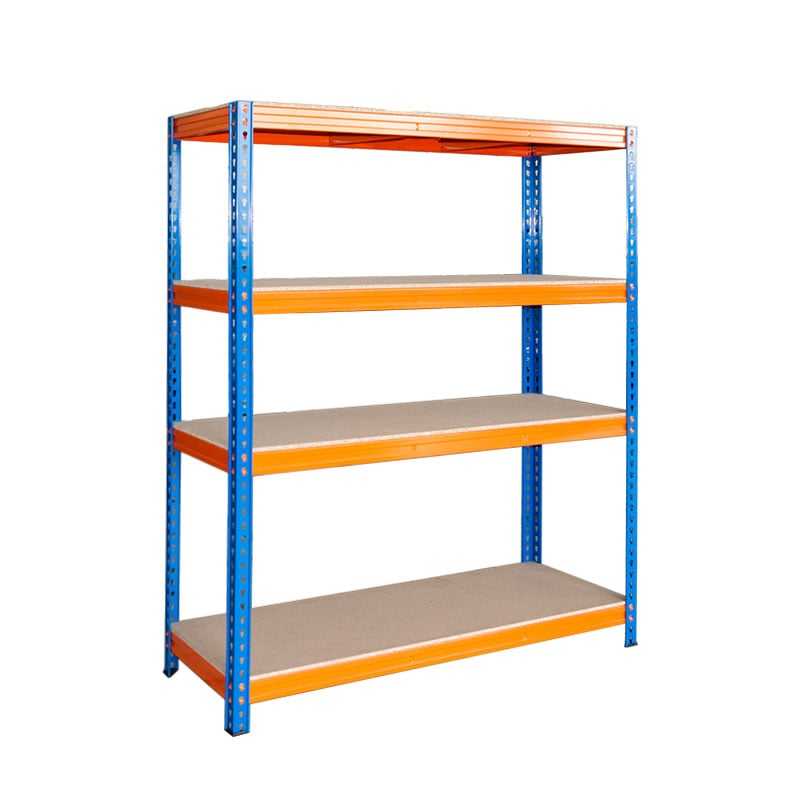
A qualified shelf manufacturer should be able to explain which standards govern design loads, welding integrity, corrosion resistance, coating performance, and quality management controls. Just as important, a shelf manufacturer should provide evidence that those standards are applied in daily production rather than used as marketing language. This article defines the quality standards that matter most, how they connect to business outcomes, and what documentation signals that a shelf manufacturer can support stable, safe, and scalable operations.
Core quality framework a shelf manufacturer should establish
Structural design standards and load verification discipline
The first requirement for any shelf manufacturer is a formal structural design method tied to expected working loads, dynamic handling conditions, and safety factors. A professional shelf manufacturer should validate upright stability, beam deflection limits, connector strength, and anchor interface behavior under realistic use. Without this foundation, even a well-finished product can create hidden risk in high-turnover storage zones.
A dependable shelf manufacturer defines rated capacity per level and per bay with clear assumptions, then verifies performance through repeatable testing. In practical terms, this means procurement teams should see how a shelf manufacturer links engineering calculations to physical test records. When design and testing are disconnected, capacity labels become unreliable and operating teams carry the downside.
Quality management system consistency across production
A shelf manufacturer should operate under a mature quality management system that controls incoming material, in-process checks, and final release decisions. This system is not only about passing audits; it is about preventing variation from one batch to the next. A stable shelf manufacturer treats process control as a production requirement, not an administrative task.
For B2B buyers, process consistency matters because expansion projects often require repeat orders over months or years. A capable shelf manufacturer can maintain the same dimensional tolerance, coating behavior, and assembly fit across those cycles. That protects installation speed, spare-part interchangeability, and long-term maintenance planning.
Material and surface standards that determine real service life
Steel quality, thickness control, and traceability
Material quality is a defining standard for every shelf manufacturer because load-bearing performance starts with steel chemistry and thickness control. A responsible shelf manufacturer sets acceptance criteria for raw coils or sheets, verifies thickness against specification, and records lot traceability through fabrication. This discipline prevents under-spec substitution that may not be visible during receiving inspection.
Traceability is especially important in industrial settings where failure investigation may occur years after installation. A prepared shelf manufacturer can trace each production run back to material batches, process parameters, and inspection results. That capability lowers legal and operational exposure while improving corrective action speed.
Coating, corrosion resistance, and environmental fit
A shelf manufacturer should define surface treatment standards based on operating environment, not generic appearance goals. Warehouse humidity, chemical contact, cleaning frequency, and abrasion patterns all affect coating selection and pretreatment requirements. A technically strong shelf manufacturer aligns pretreatment, powder application, and curing windows to expected field conditions.
Buyers should expect a shelf manufacturer to provide measurable coating indicators such as adhesion behavior, film thickness range, and corrosion test logic. The purpose is to verify life-cycle performance rather than short-term cosmetic quality. Where loads are high and turnover is constant, this part of the standard set has direct cost impact through reduced repainting, lower rust-related replacement, and fewer safety interventions.
Manufacturing process standards that protect installation quality
Fabrication precision, welding control, and dimensional tolerance
Even when design is sound, poor execution can undermine performance, so a shelf manufacturer needs strict fabrication standards. Punching accuracy, bend angle control, and hole-position consistency determine whether components assemble correctly on site. A disciplined shelf manufacturer treats dimensional tolerance as a functional safety requirement, not just a cosmetic metric.
Welding quality is equally critical for joints that transfer load. A qualified shelf manufacturer defines welding procedures, trains operators to those procedures, and inspects welds using clear acceptance criteria. Consistent weld integrity reduces crack initiation under repeated loading and helps maintain rated capacity throughout service life.
Assembly compatibility and field-ready verification
A practical quality standard for any shelf manufacturer is field assembly compatibility. Components should fit without forced alignment, and connection systems should lock securely with predictable torque or engagement feel. The best shelf manufacturer verifies this with pilot assembly checks before mass release.
Procurement teams can also evaluate packaging and shipment protection as part of the same standard. A careful shelf manufacturer designs packaging to prevent edge impact, coating damage, and connector deformation in transit. This reduces installation delays and site-level rework that can erase any nominal unit-price savings.
Compliance evidence and documentation buyers should request
Test records, inspection reports, and change control history
When assessing a shelf manufacturer, documentation quality often reveals more than marketing claims. Useful evidence includes load test summaries, dimensional inspection records, coating inspection data, and nonconformance handling logs. A transparent shelf manufacturer can explain test conditions, acceptance limits, and follow-up actions when results drift.
Change control is another essential standard. If a shelf manufacturer modifies material grade, tooling, connector geometry, or coating process, the change should be documented and revalidated. This protects buyers from silent specification drift that can compromise compatibility with installed systems.
Application guidance, labeling clarity, and lifecycle support
A shelf manufacturer should supply clear labeling and technical guidance so end users can operate within safe limits. Rated capacity labels, installation instructions, and anchoring recommendations are part of quality, not optional paperwork. A service-oriented shelf manufacturer also provides post-installation support for inspection intervals, replacement planning, and load reassessment when usage changes.
When reviewing product-level options, teams often start with a representative heavy-duty configuration such as this shelf manufacturer solution and then map required standards to their own operating profile. The key is not the product page itself but whether the shelf manufacturer can back each specification with repeatable evidence and controlled production behavior.
FAQ
What is the most important standard for evaluating a shelf manufacturer first?
Start with structural load validation tied to defined safety factors, then confirm process consistency under a formal quality management system. If a shelf manufacturer cannot show clear links between design assumptions, physical testing, and production control, other quality claims have limited value.
How can a buyer verify that a shelf manufacturer follows standards in daily production?
Ask for recent inspection records, traceable material documentation, welding and coating control data, and change control logs. A reliable shelf manufacturer can present current evidence, not only historical certificates, and can explain how deviations are corrected before shipment.
Why are coating standards so critical when selecting a shelf manufacturer?
Coating performance affects corrosion resistance, maintenance cost, and long-term safety visibility. A competent shelf manufacturer defines pretreatment and curing controls according to environment, then verifies adhesion and coverage so racks maintain integrity under real warehouse conditions.
Can a shelf manufacturer be considered high quality without strong documentation?
In B2B procurement, no. A shelf manufacturer may produce acceptable units occasionally, but without documentation there is no reliable proof of repeatability, traceability, or controlled change. Strong records are what convert product claims into dependable operational outcomes.
Table of Contents
- Core quality framework a shelf manufacturer should establish
- Material and surface standards that determine real service life
- Manufacturing process standards that protect installation quality
- Compliance evidence and documentation buyers should request
-
FAQ
- What is the most important standard for evaluating a shelf manufacturer first?
- How can a buyer verify that a shelf manufacturer follows standards in daily production?
- Why are coating standards so critical when selecting a shelf manufacturer?
- Can a shelf manufacturer be considered high quality without strong documentation?

