 EN

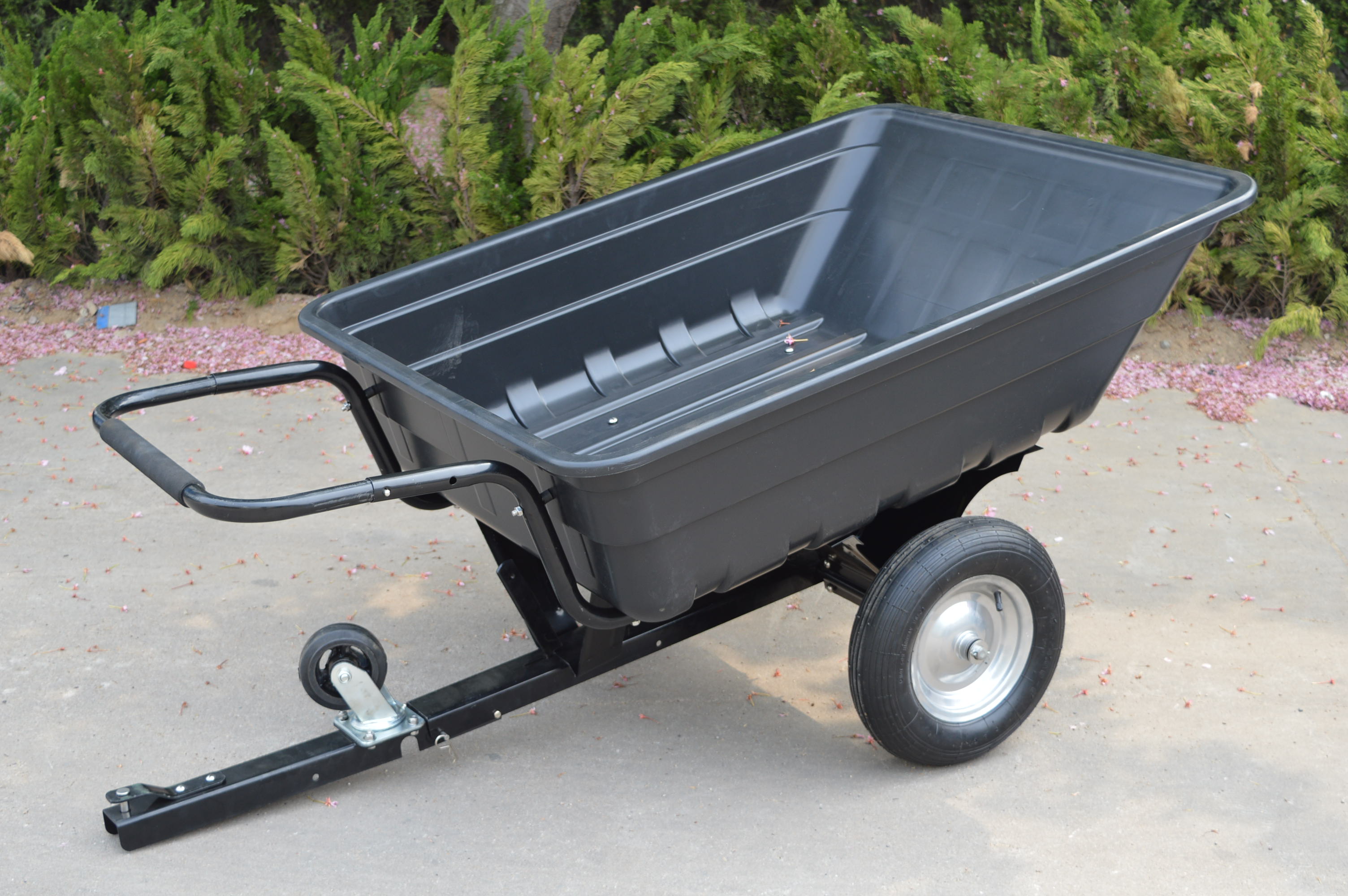
Choosing the right ATV trailer for heavy farm transportation is one of the most critical decisions agricultural operators face today. An ATV trailer serves as the backbone of efficient farm logistics, moving hay, equipment, livestock feed, and other essential materials across challenging terrain. The wrong choice can lead to equipment failure, safety hazards, and costly downtime during critical harvest seasons. Understanding what makes an ATV trailer reliable and fit for your specific farm needs requires careful evaluation of multiple factors including payload capacity, construction materials, axle configuration, and overall durability standards.
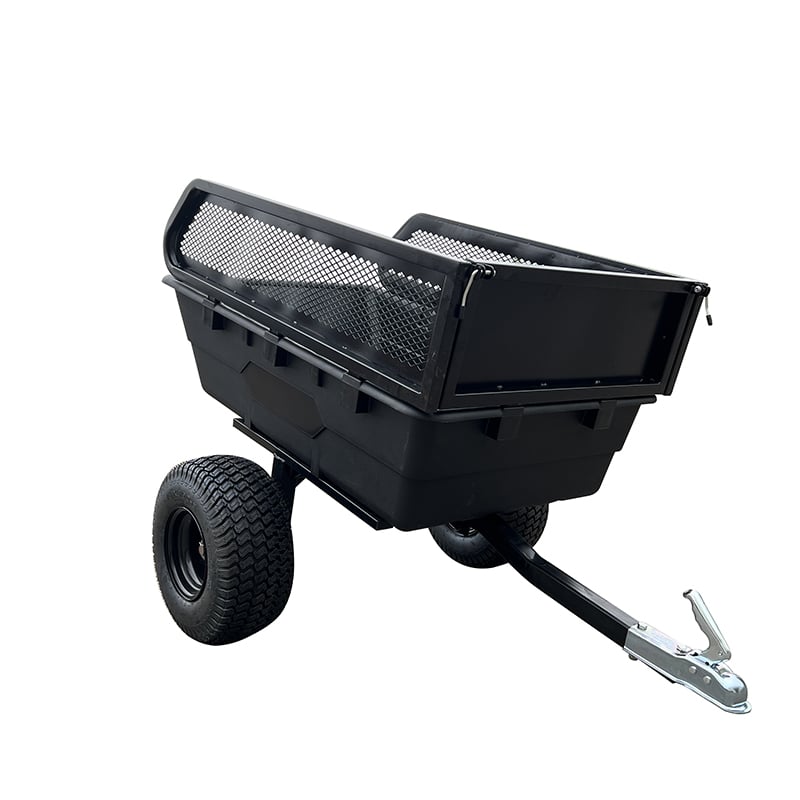
Heavy farm transportation demands a reliable ATV trailer that can withstand extreme conditions, repeated loading cycles, and unpredictable weather exposure. Your choice directly impacts productivity, safety, and your return on investment. By understanding the essential features that define a quality ATV trailer, you can make an informed decision that aligns with your farm operations and long-term goals.
Understanding ATV Trailer Capacity and Load Requirements
Calculating Your Maximum Payload Needs
Before selecting an ATV trailer, you must first determine your maximum payload requirements based on your farm operations. Most ATV trailer models range from 500 to 2,000 pounds capacity, but specialized agricultural versions can exceed these limits significantly. To calculate your needs, identify the heaviest loads you'll transport regularly, then add a safety buffer of 20 percent to account for unexpected requirements and equipment wear over time. An unreliable ATV trailer that cannot handle your peak loads will force you to make multiple trips, reducing efficiency and increasing wear on your ATV.
Towing Capacity Compatibility
Your ATV's towing capacity must match or exceed your ATV trailer load specifications. Overloading diminishes ATV performance, accelerates engine wear, and creates dangerous handling conditions on uneven farm terrain. Most modern farm ATVs offer towing capacities between 1,000 and 1,500 pounds, though larger utility ATVs can tow up to 2,500 pounds or more. Consult your ATV manufacturer's documentation and always purchase an ATV trailer rated below your vehicle's maximum towing capacity. A reliable ATV trailer for heavy farm transportation must never exceed your ATV's engineering limits, regardless of what the trailer manufacturer claims.
Core Construction Features of Durable ATV Trailers
Frame Materials and Welding Quality
The foundation of any reliable ATV trailer lies in its frame construction. Steel frames provide superior strength and durability compared to aluminum alternatives, particularly when transporting heavy loads across rough farm terrain. High-quality ATV trailer frames use seamless welding techniques and reinforced corner joints to distribute stress evenly and prevent structural failure. Examine the welds closely; they should appear smooth and continuous without gaps or inconsistencies. Poor welding creates weak points that fail under load, rendering an ATV trailer unsafe for heavy farm transportation. The bed thickness should be at least 3/16 inch steel to resist denting, rust penetration, and structural compromise from repeated heavy loading.
Axle Configuration and Suspension Systems
The axle design determines how an ATV trailer handles weight distribution and rough terrain navigation. Single-axle ATV trailers work well for lighter loads under 1,500 pounds, but dual-axle configurations provide superior stability and weight distribution for heavier farm transportation. Tandem axles spread the load across four wheels instead of two, reducing ground pressure, minimizing rutting on wet fields, and improving braking performance. A reliable ATV trailer should feature sealed bearings to prevent water and mud infiltration during wet season operations. Suspension quality affects both comfort and cargo protection; quality shock absorbers reduce bouncing and jarring that can damage sensitive equipment.
Practical Selection Criteria for Farm Operations
Hitch Compatibility and Safety Features
Proper hitch connection is fundamental to safe ATV trailer operation. Your ATV trailer must use a hitch class compatible with your ATV's receiver design, typically either Class 2 or Class 3 ratings. Ball-mounted hitches should feature a safety chain rated for your ATV trailer's gross vehicle weight, with secondary backup chains in case primary connection fails. Brake systems on larger ATV trailer models help prevent jackknifing and provide better control on slopes. LED lighting systems ensure visibility during low-light operations and comply with road safety standards when transporting loads near public areas. A reliable ATV trailer for heavy farm transportation includes redundant safety features that protect both the operator and adjacent property.
Weather Resistance and Maintenance Accessibility
Farm environments expose your ATV trailer to constant moisture, UV damage, and corrosive soil elements. Hot-dip galvanized finishes provide superior rust protection compared to paint-only coatings, particularly in regions with high humidity or frequent rainfall. Drainage holes in the bed prevent water pooling that accelerates rust formation and creates slippery surfaces. Accessible lubrication points and wheel bearings allow routine maintenance without special tools or equipment. An ATV trailer designed for easy maintenance reduces downtime and extends operational life significantly. Check whether replacement parts are readily available through agricultural dealers or online suppliers, as this affects long-term ownership costs and reliability.
FAQ
What payload capacity should I choose for my ATV trailer?
Select an ATV trailer capacity that matches your heaviest regular loads plus a 20 percent safety buffer. Most farm operations require 1,000 to 1,500 pound capacity for general-purpose work, though specialty applications may demand higher capacity. Never exceed your ATV's towing rating regardless of ATV trailer specifications, and verify capacity ratings are independently tested and certified.
How often should I maintain a reliable ATV trailer?
Inspect your ATV trailer before each use, checking tire pressure, hitch connections, lighting, and frame cracks. Lubricate wheel bearings annually and before long storage periods. Wash the ATV trailer thoroughly after wet-season work to prevent rust formation. Replace damaged safety chains, worn tires, or corroded fasteners immediately to maintain reliability and safety during farm transportation operations.
Can I use a single-axle ATV trailer for heavy loads?
Single-axle ATV trailers work adequately for loads under 1,500 pounds on relatively smooth terrain, but dual-axle configurations provide superior stability and weight distribution for heavy farm transportation. Dual-axle ATV trailers reduce rutting damage, improve braking control on slopes, and decrease ground pressure on wet fields. For consistent heavy-load work, investing in a dual-axle ATV trailer delivers better long-term reliability and operational safety.

