 EN
EN

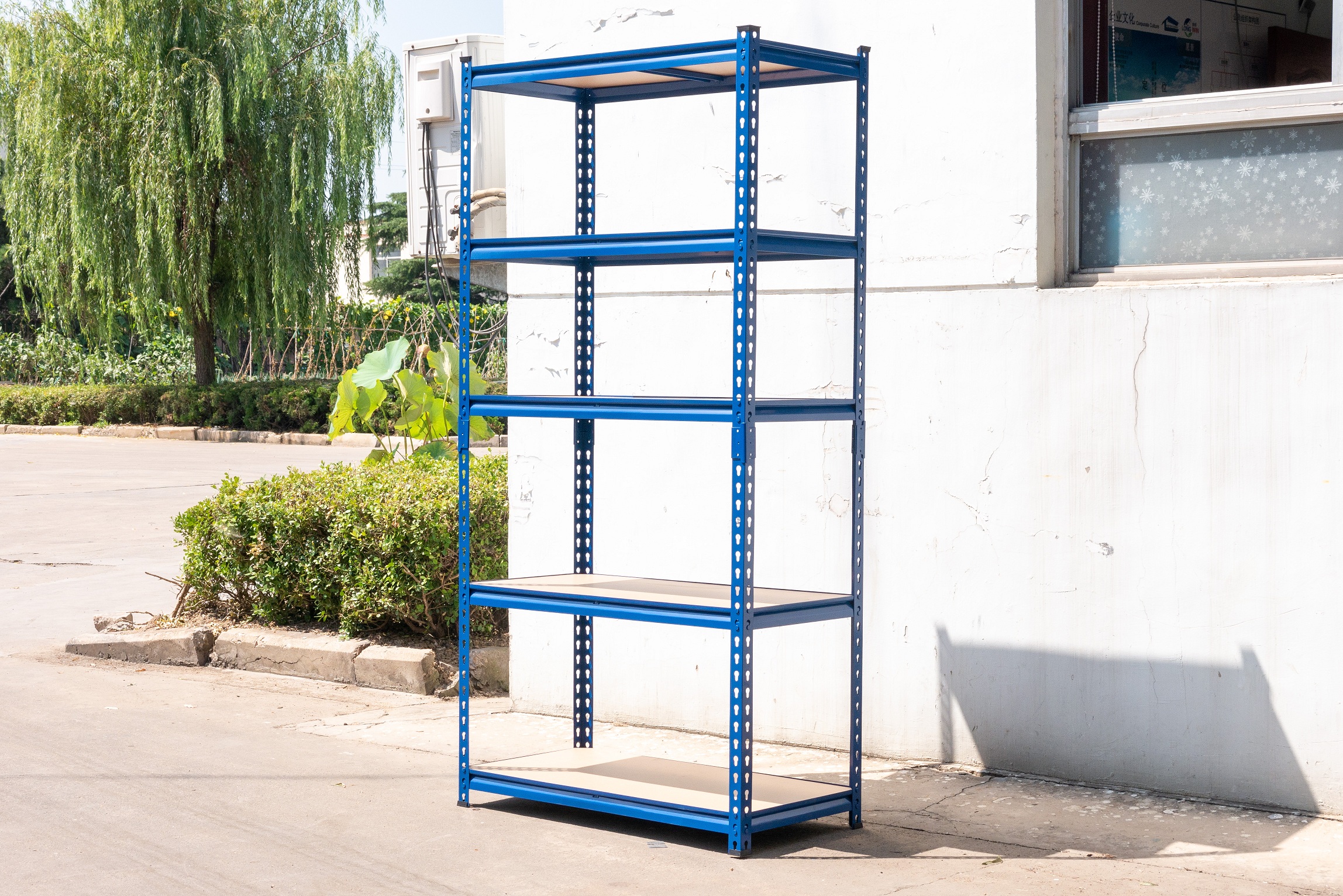
Selecting the right racks supplier is one of the most critical decisions a warehouse manager or facility director can make. The quality, durability, and reliability of your storage infrastructure directly impact operational efficiency, safety, and long-term cost management. A professional racks supplier understands the demands of modern warehouse environments and delivers solutions tailored to your specific project requirements. The stakes are high because inadequate racking systems can lead to product damage, workplace injuries, inventory mismanagement, and unexpected downtime that disrupts your entire supply chain.
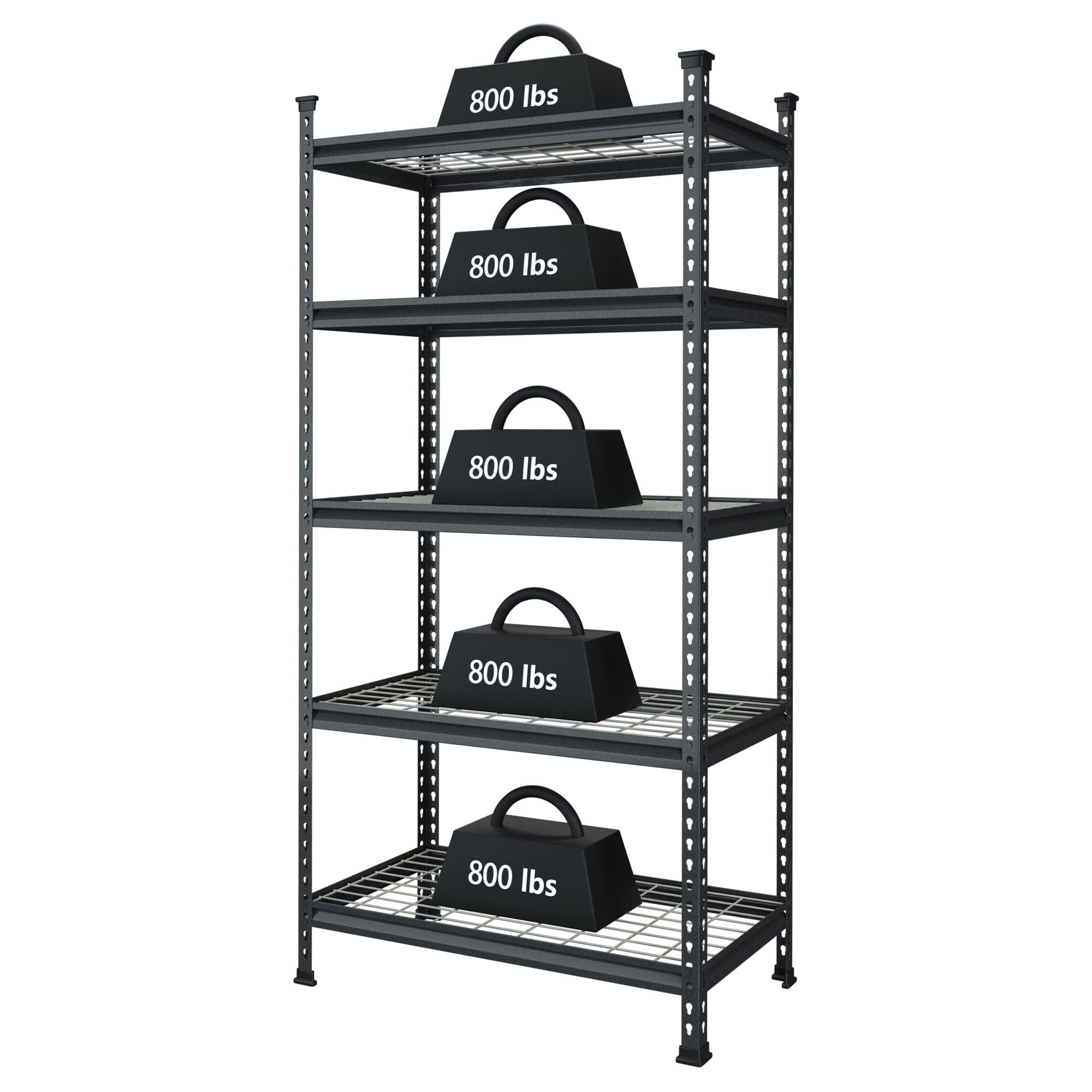
Finding a trustworthy racks supplier requires more than a quick internet search or accepting the first quote you receive. A professional racks supplier must demonstrate expertise in warehouse design, material science, safety compliance, and installation logistics. This guide walks you through the essential steps to identify, evaluate, and partner with a racks supplier that aligns with your warehouse objectives, budget constraints, and operational timelines. By following a structured vetting process, you can avoid costly mistakes and build a long-term relationship with a racks supplier who genuinely understands your business.
Define Your Warehouse Requirements and Project Scope
Assess Your Storage Needs
Before contacting any racks supplier, you must clearly define what your warehouse actually needs. Document the types of products you store, their weight ranges, dimensions, and turnover rates. Consider whether you need selective racking, drive-in racking, push-back systems, or mobile solutions. A professional racks supplier will ask detailed questions about your inventory profile, access patterns, and growth projections. These questions reveal whether a racks supplier truly understands warehouse engineering or is simply trying to move inventory. Your racks supplier should help you optimize space utilization while maintaining safety margins and regulatory compliance.
Establish Budget and Timeline Parameters
Set realistic budget expectations before you begin your racks supplier search. Quality racking systems represent significant capital investments, and a professional racks supplier will provide transparent pricing that reflects material costs, engineering, delivery, and installation services. Communicate your timeline clearly—whether you need immediate solutions or can plan a phased implementation. An experienced racks supplier will explain how customization affects lead times and total cost of ownership. Avoid racks suppliers who offer suspiciously low prices without justification, as this often signals compromised material quality or insufficient installation support.
Evaluate Racks Supplier Qualifications and Track Record
Verify Industry Certifications and Standards Compliance
A credible racks supplier must hold relevant certifications and comply with industrial safety standards. Look for certifications from recognized bodies that validate structural engineering, load ratings, and installation practices. Your racks supplier should be familiar with OSHA guidelines, RMI (Rack Manufacturers Institute) standards, and local building codes applicable to your region. Request documentation from your racks supplier proving compliance with these standards. A professional racks supplier will provide load certificates, structural calculations, and inspection reports without hesitation. These documents protect your business legally and ensure your team operates within safe parameters.
Review Experience and Customer References
Ask your prospective racks supplier for client references from similar warehouse environments or industries. A professional racks supplier maintains an impressive portfolio of completed projects and can provide detailed case studies. Contact these references directly and ask specific questions about project delivery, quality, responsiveness, and post-installation support. Request to visit an installation site if possible, so you can see the racks supplier's workmanship firsthand. Long-standing relationships with major logistics companies, manufacturers, or retailers indicate that your racks supplier has proven reliability and performance. A racks supplier hesitant to provide references should raise concerns about their credibility.
Compare Services Beyond Product Supply
Design Consultation and Site Assessment
The best racks supplier offers comprehensive site assessment and design consultation services before you place an order. Visit your facility and conduct detailed measurements, bearing capacity analysis, and ceiling height evaluations. Your racks supplier should provide a 3D design layout that shows exactly how the racking system will fit your space and accommodate your workflow. This proactive approach from a professional racks supplier prevents costly installation delays and ensures optimal configuration. Many warehouse operators only learn about mistakes after installation begins, which is why choosing a racks supplier with strong pre-installation planning is essential.
Installation, Training, and Long-Term Support
A comprehensive racks supplier doesn't just deliver products; they provide complete project management from start to finish. Clarify whether your racks supplier handles installation directly or subcontracts this critical work. Confirm that your racks supplier's team includes certified installers who understand load distribution, horizontal bracing, and anchor points. After installation, your racks supplier should provide staff training on proper loading techniques, safety protocols, and maintenance schedules. Ongoing support matters too—your racks supplier should offer inspection services, repairs, and modifications as your business evolves. This extended service relationship distinguishes a professional racks supplier from one who simply moves inventory.
Request Detailed Quotes and Compare Value Propositions
Ask for Itemized Proposals
When you've narrowed your choices to two or three qualified candidates, request detailed itemized proposals from each racks supplier. The proposal should break down material costs, engineering fees, delivery charges, installation labor, and any training or support services. A transparent racks supplier provides clear line items so you understand exactly what you're paying for. Compare not just the total price but the value embedded in each racks supplier's offering. One racks supplier might charge more but include comprehensive training and five-year maintenance, while another quotes lower but offers minimal post-installation support. Lowest price rarely equals best value in the racking industry.
Evaluate Long-Term Total Cost of Ownership
When comparing racks suppliers, calculate the total cost of ownership over five to ten years, not just the upfront purchase price. Consider maintenance requirements, replacement part availability, system scalability, and potential facility improvements your racks supplier might support. A professional racks supplier explains durability, warranty coverage, and maintenance schedules transparently. Some racks suppliers use premium materials that last longer and require less maintenance, reducing your total cost despite higher initial investment. Others offer modular systems that grow with your business, eliminating the need for complete replacement. Your chosen racks supplier should help you understand these long-term financial implications rather than focusing solely on closing the sale today.
FAQ
What questions should I ask a racks supplier before hiring?
Ask your racks supplier about certifications, previous warehouse projects, load ratings and safety compliance, installation timeline and process, warranty coverage and support duration, customization capabilities, and maintenance requirements. A professional racks supplier welcomes these questions and provides detailed, knowledgeable answers. You should also ask about their experience with your specific industry, whether they handle installation in-house, and how they handle post-installation issues. These questions reveal whether your racks supplier understands your business needs and commits to long-term partnership rather than just completing a transaction.
How do I verify that a racks supplier meets safety standards?
Request certifications and compliance documentation from your racks supplier, including load test certificates, structural engineering reports, and RMI accreditation. A credible racks supplier provides these documents proactively and can explain their meaning. You can also verify compliance by checking your racks supplier's standing with industry organizations and contacting references who can confirm safe installations. Your racks supplier should agree to third-party inspection if required by your insurance company or regulatory environment. Never work with a racks supplier who cannot provide clear evidence of safety compliance.
Should I prioritize the lowest-cost racks supplier?
No. The lowest-cost racks supplier often delivers lower quality, limited support, and hidden problems that emerge during installation or operation. A professional racks supplier charges fair market rates that reflect quality materials, engineering expertise, certified installation, and comprehensive support. Compare total value, not just purchase price. Your racks supplier's reputation, certifications, installation quality, and ongoing support matter far more than saving a few thousand dollars upfront. Cheap racking systems can cost significantly more in repairs, downtime, and potential safety incidents than investing in a reliable professional racks supplier from the start.

