 EN
EN

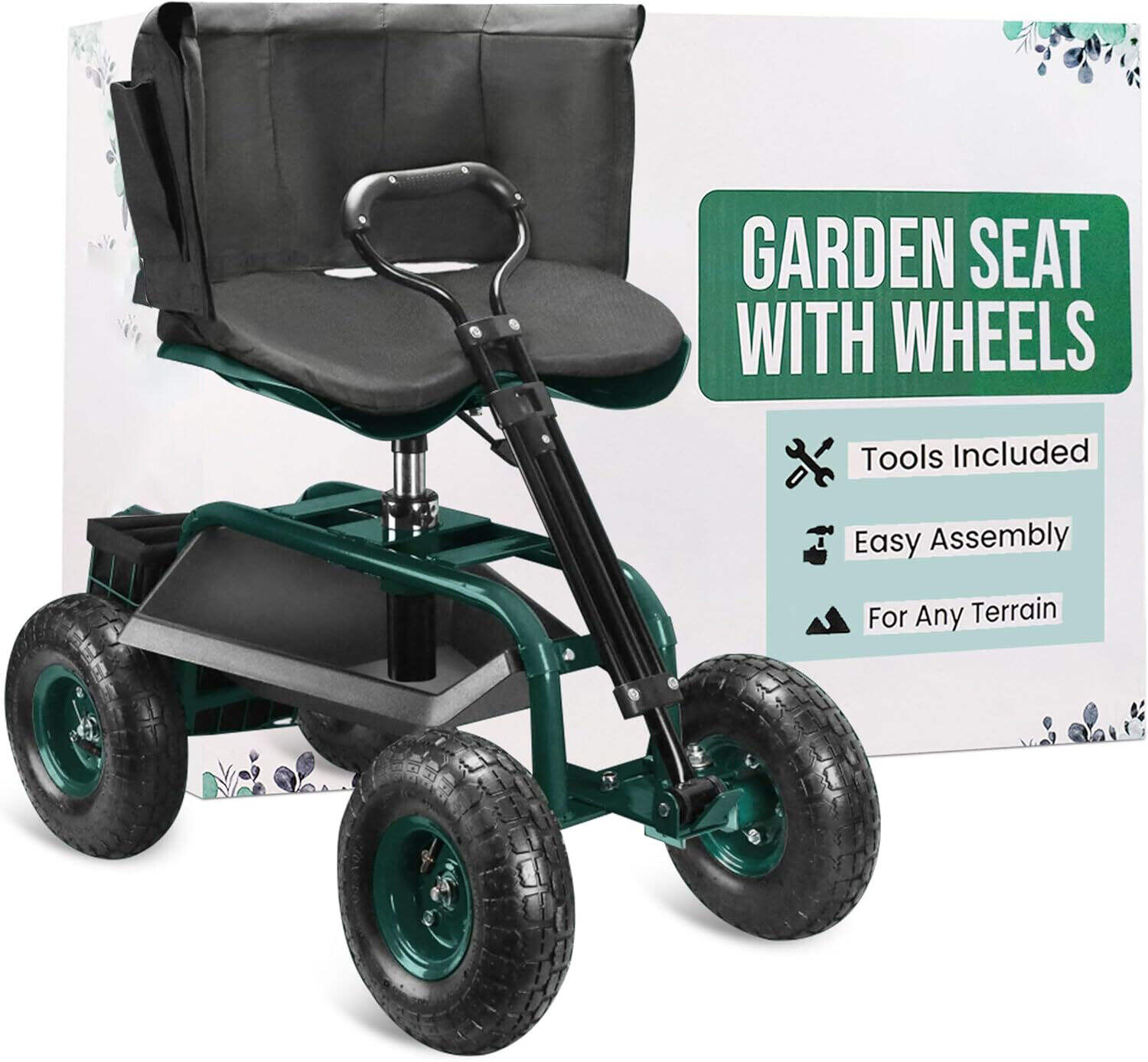
A garden rolling work seat improves gardening work efficiency by reducing the time lost to bending, standing, and walking back and forth between tasks. With a garden rolling work seat, the worker stays closer to the work zone, moves with less interruption, and keeps attention on the plants instead of on posture changes. That is why it helps both home gardeners and crews finish more work in the same amount of time.
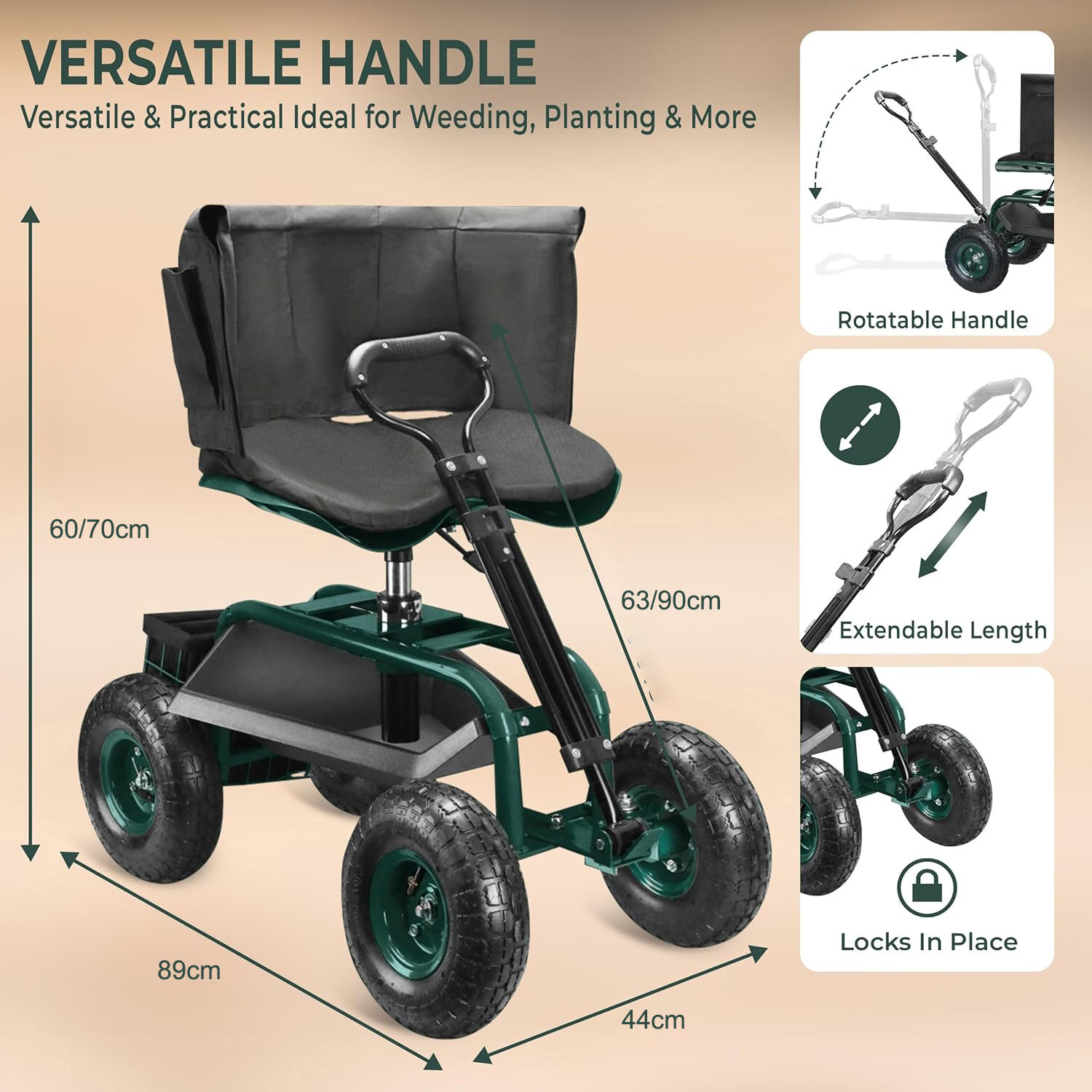
The gain is not only physical. A garden rolling work seat shortens task resets, keeps hands closer to tools, and makes repetitive jobs feel less fragmented, which is a real advantage in beds, borders, greenhouses, and container areas. In practical terms, a garden rolling work seat supports a steadier pace from the first plant to the last, with less fatigue and fewer pauses.
Reduced Physical Strain in Repetitive Tasks
Less Bending and Kneeling
The main efficiency gain starts with posture. A garden rolling work seat lets the gardener remain seated for tasks that would otherwise require repeated kneeling or squatting, such as weeding along a border or inspecting new seedlings. When the work position stays stable, a garden rolling work seat cuts the time spent on posture resets and keeps the session moving.
That matters in both private gardens and managed sites where work is measured in small motions. When the body is less taxed, a garden rolling work seat helps the worker maintain a consistent pace instead of slowing down after the first few rows. Over the course of a morning, those saved seconds become real time.
Easier Movement Across Beds and Rows
Mobility is the other half of the equation. A garden rolling work seat keeps the worker close to the task while moving from one plant to the next, so there is less backtracking across beds, pathways, and greenhouse aisles. In row-based work, that smoother movement cuts wasted steps and keeps attention on the plants instead of the route between them.
For teams that handle many similar spots in one pass, the effect adds up quickly. A garden rolling work seat reduces the break between one action and the next, which is often where efficiency is lost in the field. The result is a cleaner workflow and less drift between tasks.
Faster Access to Tools and Materials
Keeping Essentials Within Arm's Reach
A garden rolling work seat is most useful when the tools that matter are already with the worker. Gloves, pruners, markers, twine, seed packets, and small hand tools can stay close enough to reach without leaving the work zone. That cuts the time spent searching, standing up, or walking away for every minor correction.
A purpose-built garden rolling work seat can also keep the job organized in a way a bucket or loose tray cannot. Because the garden rolling work seat travels with the worker, the setup stays aligned with the task instead of drifting away from it. That small change can remove a surprising amount of friction from the workday.
Reducing Unnecessary Trips
The more often a gardener returns to a shed, cart, or bench, the more the work slows down. A garden rolling work seat reduces those interruptions by carrying the most-used items through the work area, which keeps the pace steady. The benefit is easy to see in repetitive maintenance where the same tools are used again and again.
This is especially useful in larger borders, nursery rows, and seasonal cleanup work where small jobs are spread across a wider space. When the garden rolling work seat removes those extra trips, the worker keeps momentum and finishes with fewer stop-start cycles. That is a simple path to better output without adding more effort.
Better Pace Across Common Garden Jobs
Weeding, Planting, and Deadheading
Repetitive ground-level jobs benefit immediately from a garden rolling work seat. Weeding, planting plugs, and deadheading all require frequent close inspection, and a stable seat makes it easier to move from one plant to the next without losing position. A garden rolling work seat keeps the body ready for the next action instead of resetting after each one.
That tighter positioning matters because accuracy rises when the worker is not rushing to stand, turn, and reset. With a garden rolling work seat, the same task can be performed in a smoother line, which helps reduce missed weeds and uneven spacing. The result is faster work that also looks more deliberate.
Pruning, Potting, and Container Care
A garden rolling work seat also helps in container areas where work is repeated at the same height. Potting, light pruning, and label changes become faster when the worker can stay seated and roll directly to the next pot or tray. In that setting, a garden rolling work seat acts like a mobile work position rather than a separate piece of equipment.
In greenhouses, patios, and maintenance yards, that rhythm can matter as much as raw speed. A garden rolling work seat keeps the worker centered on the task, which makes hand placement more accurate and cuts the small corrections that slow a job down. It is a practical way to keep pace without sacrificing control.
More Consistent Output During Longer Sessions
Less Fatigue, Steadier Technique
Efficiency is not only about moving faster; it is also about holding a useful pace for longer. A garden rolling work seat reduces the fatigue that usually builds after repeated kneeling or long periods of crouching, so the worker can keep quality high later in the session. That matters when a job stretches across multiple beds or a full block of containers.
When fatigue stays lower, technique stays steadier. That means cleaner cuts, neater planting depth, and fewer do-overs, all of which are part of real work efficiency. A garden rolling work seat supports that steadiness by making the body work less for each individual motion.
Matching the Seat to the Work Pattern
The strongest efficiency gain comes when the garden rolling work seat matches the site. Wheel performance, seat height, storage space, and the type of ground all affect how smoothly the worker can move and how long the seat remains practical on the job. A setup that fits the terrain will save more time than one that forces awkward movement.
For a flat, repeated workflow, the right garden rolling work seat becomes part of the process rather than a break in it. That is why the biggest efficiency gains appear when the seat fits the task, not when the task is forced to fit the seat. In practice, the right match turns the seat into a working system instead of a simple accessory.
FAQ
How does a garden rolling work seat save time?
It saves time by reducing standing, kneeling, and tool searching. A garden rolling work seat keeps the worker in position, so more of the session is spent doing the actual garden work and less is spent resetting between small tasks.
Is a garden rolling work seat helpful for professional crews?
Yes, especially when crews repeat the same low-level tasks across rows, beds, or containers. A garden rolling work seat helps keep pace steady and reduces wasted motion across the site, which matters in regular maintenance work.
Does a garden rolling work seat help with fatigue?
It does, because less bending and fewer short lifts reduce strain over time. A garden rolling work seat makes longer sessions easier to sustain without losing control or speed.
Which jobs benefit most from a garden rolling work seat?
Weeding, planting, deadheading, potting, and light pruning are strong fits. In each case, the garden rolling work seat keeps the worker close to the task and reduces unnecessary resets, which is where efficiency is often lost.

